




Ask the AI Tutor
Need help with British Birds - Dippers, Divers and Sandpipers? Ask our AI Tutor!
AI Tutor - Lucy
Connecting with Tutor...
Please wait while we establish connection
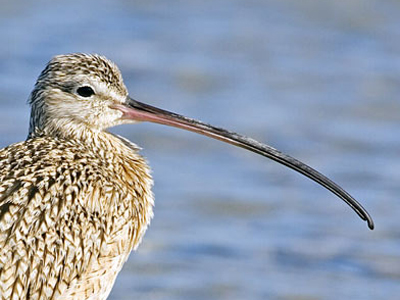
Here is the largest European wading bird but do you recognise it?
British Birds - Dippers, Divers and Sandpipers
From river-loving dippers to shoreline sandpipers, these birds are built for water. Explore habitats, feeding styles, and flight clues, then try the quiz below.
To see a larger image, click on the picture.
1 .
What is the name of this bird?

Photograph courtesy of Ken Billington
Red-throated Diver
Black-throated Diver
Common Snipe
Little Stint
- Group: Sandpipers and allies
- Binomial: Calidris minuta
- Order: Charadriiformes
- Family: Scolopacidae
- Status: Winter Visitor & Passage Migrant
- This bird nests on a scrape in bare ground, laying 3-5 eggs.
- It is polygamous, and male and female may incubate separate clutches.
- The call is a sharp 'stit'.
2 .
What is the name of this bird?

Photograph courtesy of Loon
Great Northern Diver
European Dipper
Dunlin
Curlew
- Group: Divers
- Binomial: Gavia immer
- Order: Galliformes
- Family: Gaviidae
- Status: Winter Visitor
- This species is a specialist fish-eater, diving as deep as 60 m.
- It flies with its neck outstretched, usually calling a particular tremolo.
- Its call has been called 'haunting' and 'enchanting'.
3 .
What is the name of this bird?

Photograph courtesy of J M Garg
Dunlin
Woodcock
Common Snipe
Curlew
- Group: Sandpipers and allies
- Binomial: Gallinago gallinago
- Order: Charadriiformes
- Family: Scolopacidae
- Status: Resident Breeding Species And Summer Visitor
- The male performs 'winnowing' displays during courtship, flying high in circles and then taking shallow dives to produce a 'drumming' sound by vibrating its tail feathers.
4 .
What is the name of this bird?

Photograph courtesy of Oldbilluk
Black-throated Diver
Jack Snipe
Red-throated Diver
Dunlin
- Group: Sandpipers and allies
- Binomial: Lymnocryptes minimus
- Order: Charadriiformes
- Family: Scolopacidae
- Status: Winter Visitor & Passage Migrant
- A secretive bird and when approached it tends to crouch down, relying on its camouflaged plumage.
- When feeding it has a characteristic 'bouncing' motion, as if on a spring.
5 .
What is the name of this bird?

Photograph courtesy of Ronald Sl at Wikipedia
Black-throated Diver
European Dipper
Eurasian Woodcock
Common Snipe
- Group: Sandpipers and allies
- Binomial: Scolopax rusticola
- Order: Charadriiformes
- Family: Scolopacidae
- Status: Resident Breeding Species
- A large bulky wading bird.
- Largely nocturnal, spending most of the day in dense cover.
- Their eyes are located on the sides of their heads, which gives them 360 degree vision.
6 .
What is the name of this bird?

Photograph courtesy of http://www.naturespicsonline.com/
Curlew
Woodcock
Jack Snipe
Great Northern Diver
- Group: Sandpipers and allies
- Binomial: Numenius arquata
- Order: Charadriiformes
- Family: Scolopacidae
- Status: Resident Breeding Species
- The largest European wading bird.
- Instantly recognisable on winter estuaries or summer moors by its long, downcurved bill, brown upperparts, long legs and evocative call.
- Coastal numbers build up from July.
7 .
What is the name of this bird?

Photograph courtesy of Mdf
Jack Snipe
Red-throated Diver
Dunlin
European Dipper
- Group: Sandpipers and allies
- Binomial: Calidris alpina
- Order: Charadriiformes
- Family: Scolopacidae
- Status: Winter Visitor And Passage Migrant
- Highly gregarious in winter, sometimes forming large flocks on coastal mudflats or sandy beaches.
- Large numbers can often be seen swirling in synchronized flight.
8 .
What is the name of this bird?

Photograph courtesy of Mark Medcalf
Black-throated Diver
Little Stint
European Dipper
Dunlin
- Group: Dippers
- Binomial: Cinclus cinclus
- Order: Passeriformes
- Family: Cinclidae
- Status: Resident Breeding Species
- Flies rapidly and straight, its short wings whirring swiftly and without pauses or glides.
- When displaying, the male will take long and high flights accompanied by sharp metallic calls.
9 .
What is the name of this bird?

Photograph courtesy of Carley, Curtis
Great Northern Diver
Black-throated Diver
Dunlin
Jack Snipe
- Group: Divers
- Binomial: Gavia arctica
- Order: Galliformes
- Family: Gaviidae
- Status: Resident Breeder And Winter Visitor
- These streamlined diving birds sit low in the water and dive with consummate ease.
- Calls include a yodelling high-pitched wail and harsh growls.
10 .
What is the name of this bird?

Photograph courtesy of David Karna
Curlew
European Dipper
Red-throated Diver
Great Northern Diver
- Group: Divers
- Binomial: Gavia stellata
- Order: Galliformes
- Family: Gaviidae
- Status: Resident Breeder And Winter Visitor
- They usually jump up to dive and can stay underwater for a minute and a half.
- It is the only species of its kind able to take off directly from land.



**Unlimited Quizzes Await You! 🚀**
Hey there, quiz champ! 🌟 You've already tackled today's free questions.
Ready for more?
Ready for more?
🔓 Unlock UNLIMITED Quizzes and challenge yourself every day. But that's
not all...
not all...
🔥 As a Subscriber you can join our thrilling "Daily Streak" against other
quizzers. Try to win a coveted spot on our Hall of Fame Page.
quizzers. Try to win a coveted spot on our Hall of Fame Page.
Don't miss out! Join us now and keep the fun rolling. 🎉
**Unlimited Quizzes Await You! 🚀**
Hey there, quiz champ! 🌟 You've already tackled today's free questions. Ready for more?
🔓 Unlock UNLIMITED Quizzes and challenge yourself every day. But that's not all...
🔥 As a Subscriber you can join our thrilling "Daily Streak" against other quizzers. Try to win a coveted spot on our Hall of Fame Page.
Don't miss out! Join us now and keep the fun rolling. 🎉




© Copyright 2016-2026 - Education Quizzes
Work Innovate Ltd - Design | Development |
Marketing
