




Ask the AI Tutor
Need help with Adjectives 02? Ask our AI Tutor!
AI Tutor - Lucy
Connecting with Tutor...
Please wait while we establish connection
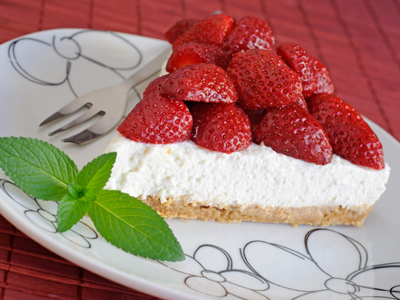
In 'This is the most delicious cheesecake' the word 'delicious' is the adjective.
Adjectives 02
Adjectives describe nouns and ideas. Use them before nouns or after be to add precision and style. Let’s practise choosing accurate words that improve clarity.
1 .
Spring is pleasant, summer is ... but autumn is the ...
more pleasant, most pleasant
most pleasant, more pleasant
pleasanter, pleasantest
pleasantest, pleasanter
"More pleasant" = comparative; "most pleasant" = superlative
2 .
An hour is a long time to wait, but a two hour wait is ...
longer
longest
more long
most long
".......and a three hour wait is the longest" = superlative
3 .
My ring is valuable, her ring is ... but your ring is ...
more valuable, most valuable
most valuable, more valuable
valuabler, valuablest
valuablest, valuabler
Standard English does not say "valuabler"!
4 .
Your book is more interesting than mine, but his is the ...
interestinger
interestingest
more interesting
most interesting
"Most interesting" = superlative
5 .
This cake tastes horrible, but that one tastes ...
horribler
horriblest
more horrible
most horrible
Standard English does not say "horribler"!
6 .
Apples are good for you, but watercress is ...
best
better
gooder
goodest
"....... and oranges are the best"
7 .
Honey is sweet, syrup is ... but sugar is the ...
more sweet, sweeter
most sweet, more sweet
sweeter, sweetest
sweetest, sweeter
"Sweeter" = comparative; "sweetest" = superlative
8 .
Bus travel is quick, car travel is ... but air travel is ...
more quick, most quick
most quick, more quick
quicker, quickest
quickest, quicker
"Quicker" = comparative, "quickest" = superlative
9 .
The canyon is the ... in the world.
more wide
most wide
wider
widest
"Widest" = superlative, which means "the most"
10 .
Tea tastes nice, coffee tastes ... but chocolate tastes ...
more nice, most nice
most nice, more nice
nicer, nicest
nicest, nicer
"Nicer" is correct, not "more nice"!



**Unlimited Quizzes Await You! 🚀**
Hey there, quiz champ! 🌟 You've already tackled today's free questions.
Ready for more?
Ready for more?
🔓 Unlock UNLIMITED Quizzes and challenge yourself every day. But that's
not all...
not all...
🔥 As a Subscriber you can join our thrilling "Daily Streak" against other
quizzers. Try to win a coveted spot on our Hall of Fame Page.
quizzers. Try to win a coveted spot on our Hall of Fame Page.
Don't miss out! Join us now and keep the fun rolling. 🎉
**Unlimited Quizzes Await You! 🚀**
Hey there, quiz champ! 🌟 You've already tackled today's free questions. Ready for more?
🔓 Unlock UNLIMITED Quizzes and challenge yourself every day. But that's not all...
🔥 As a Subscriber you can join our thrilling "Daily Streak" against other quizzers. Try to win a coveted spot on our Hall of Fame Page.
Don't miss out! Join us now and keep the fun rolling. 🎉




© Copyright 2016-2026 - Education Quizzes
Work Innovate Ltd - Design | Development |
Marketing
