




Ask the AI Tutor
Need help with The World? Ask our AI Tutor!
AI Tutor - Lucy
Connecting with Tutor...
Please wait while we establish connection
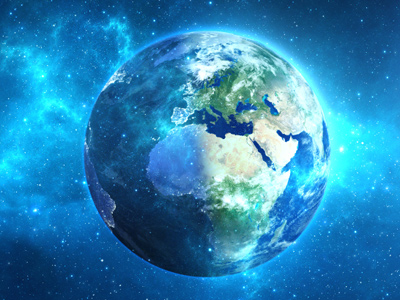
The world we live on is called planet Earth.
The World
Our planet is full of contrasts, from hot deserts and icy poles to rainforests and gentle temperate zones. Explore how climate and location shape life around the world.
1 .
Which is the smallest continent?
Australia
Asia
Europe
Antarctica
Europe is the second smallest continent
2 .
How many continents are there in the world?
Four
Five
Six
Seven
They are North America, South America, Europe, Asia, Australia, Africa and Antarctica
3 .
Which is the highest mountain in the world?
Elbrus
Kilimanjaro
Everest
Fuji
Everest is part of the Himalayas mountain range
4 .
Which is the smallest ocean?
Atlantic
Indian
Antarctic
Arctic
The Arctic Ocean is almost completely frozen in winter
5 .
How many oceans are there in the world?
Three
Four
Five
Six
They are the Atlantic, the Pacific, the Indian, the Arctic and the Antarctic or Southern Ocean
6 .
Which is the largest country in the world?
Russia
China
North America
India
Russia covers the largest area but China has a larger population
7 .
Which is the largest desert in the world?
Kalahari
Sahara
Arabian
Gobi
The Sahara is in Africa
8 .
Which is the largest continent?
Africa
Asia
Europe
North America
Africa is the second largest continent
9 .
Which is the longest river in the world?
Amazon
Nile
Danube
Mississippi
The Nile is in Africa
10 .
Which is the largest sea?
Caribbean
Mediterranean
South China
Bering
The Mediterranean Sea lies between Europe, Africa and Asia



**Unlimited Quizzes Await You! 🚀**
Hey there, quiz champ! 🌟 You've already tackled today's free questions.
Ready for more?
Ready for more?
🔓 Unlock UNLIMITED Quizzes and challenge yourself every day. But that's
not all...
not all...
🔥 As a Subscriber you can join our thrilling "Daily Streak" against other
quizzers. Try to win a coveted spot on our Hall of Fame Page.
quizzers. Try to win a coveted spot on our Hall of Fame Page.
Don't miss out! Join us now and keep the fun rolling. 🎉
**Unlimited Quizzes Await You! 🚀**
Hey there, quiz champ! 🌟 You've already tackled today's free questions. Ready for more?
🔓 Unlock UNLIMITED Quizzes and challenge yourself every day. But that's not all...
🔥 As a Subscriber you can join our thrilling "Daily Streak" against other quizzers. Try to win a coveted spot on our Hall of Fame Page.
Don't miss out! Join us now and keep the fun rolling. 🎉




© Copyright 2016-2026 - Education Quizzes
Work Innovate Ltd - Design | Development |
Marketing
