




Ask the AI Tutor
Need help with Moving Parts? Ask our AI Tutor!
AI Tutor - Lucy
Connecting with Tutor...
Please wait while we establish connection
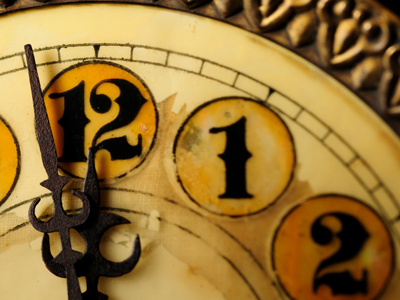
A clock uses gears.
Moving Parts
Discover how moving parts make things work. Learn about levers, sliders, pivots, and linkages, then explore how movement can be controlled, changed, and used in KS2 D and T designs.
1 .
Which item does NOT use gears?
Clock
Oven
Bicycle
Car
Ovens generate heat rather than movement
2 .
What is the part called that goes through the cam?
Follower
Axle
Lever
Pivot
The axle is attached to a handle which makes the axle and cam turn
3 .
Which of these items does NOT use air to work?
Foot pump
Whistle
Scissors
Inflatable swimming aid
Scissors use a lever system
4 .
What does a pneumatic system use to make it move?
Air
Water
Gears
Pulleys
Pneumatic means powered by air. Hydraulic means powered by liquid
5 .
What joins the levers together in a linkage system?
Pivots
Cams
Pulleys
Gears
Pivots can move or keep still
6 .
Which parts are used in a pneumatic system?
Syringe, card and balloon
Balloon, tube and card
Tube, card and lever
Syringe, tube and balloon
Air passes between the syringe and the balloon through the tube
7 .
Which of these is NOT a method of moving parts in books?
Sliding
Pop up
Levers
Motor
Motors are used in more complicated designs
8 .
Which everyday item makes a good pulley?
Pencil
Ruler
Rubber band
Glue
Most pulleys use ropes
9 .
Which list describes the parts of a linkage system?
Levers and cams
Cams and pivots
Levers and pivots
Gears and pivots
A lever generates more force the further away from the pivot its end is
10 .
What affects the type of movement of a cam follower in a cam system?
The size of the cam
How fast the cam is turned
The shape of the cam
The length of the cam follower
Parts of the cam that stick out more make the cam followers move further



**Unlimited Quizzes Await You! 🚀**
Hey there, quiz champ! 🌟 You've already tackled today's free questions.
Ready for more?
Ready for more?
🔓 Unlock UNLIMITED Quizzes and challenge yourself every day. But that's
not all...
not all...
🔥 As a Subscriber you can join our thrilling "Daily Streak" against other
quizzers. Try to win a coveted spot on our Hall of Fame Page.
quizzers. Try to win a coveted spot on our Hall of Fame Page.
Don't miss out! Join us now and keep the fun rolling. 🎉
**Unlimited Quizzes Await You! 🚀**
Hey there, quiz champ! 🌟 You've already tackled today's free questions. Ready for more?
🔓 Unlock UNLIMITED Quizzes and challenge yourself every day. But that's not all...
🔥 As a Subscriber you can join our thrilling "Daily Streak" against other quizzers. Try to win a coveted spot on our Hall of Fame Page.
Don't miss out! Join us now and keep the fun rolling. 🎉




© Copyright 2016-2026 - Education Quizzes
Work Innovate Ltd - Design | Development |
Marketing
