




Ask the AI Tutor
Need help with Rules and Laws? Ask our AI Tutor!
AI Tutor - Lucy
Connecting with Tutor...
Please wait while we establish connection
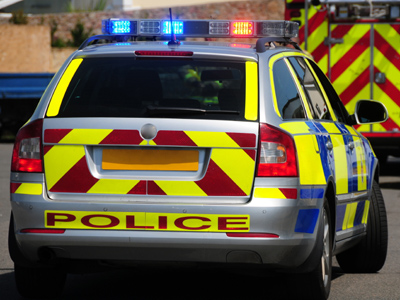
If you break a rule in town such as stealing, a police officer will take action.
Rules and Laws
Rules and laws help people live together safely and fairly. This KS2 Citizenship quiz explores why rules matter, who makes laws, and why they are followed.
1 .
Why do we have rules when playing Monopoly?
To spoil the fun
To make the game fair
No particular reason
It makes the game more fun
What is your favourite property in Monopoly?
2 .
Why do we have the rule in school not to run down the corridor?
It is quieter when you walk
The headteacher says so
The teachers just want to spoil our fun
It prevents us from hurting ourselves
Falling over when running can cause more damage than when walking
3 .
What is the name of the rules God gave to Moses in the Bible?
Class rules
Doomsday Book
Ten Commandments
Eight Instructions
How many of them do you know?
4 .
Who makes the rules at home?
Children
Parent or other adult
Pet dog
Next door neighbour
The rules might be very different if it was left to the children!
5 .
If you break a rule in school who usually decides the consequences?
Friends
Teacher or headteacher
Caretaker
Year 6 children
Sometimes the school council may have helped to set the rules but teachers and headteachers have to agree
6 .
If you break a rule in town such as stealing who will take action?
Teacher
Nurse
Police Officer
Traffic Warden
It's always better to keep on the good side of the law
7 .
Who makes the laws in Britain?
Prime Minister
The monarch
Police
Parliament
Parliament is made up of Members of Parliament who have meetings to discuss making laws
8 .
How is a new law made?
The police write to newspapers to let everyone know they have a new law
Members of Parliament debate about new laws and then vote whether to introduce it or not
The monarch comes on the TV to let us know about the new law
The Prime Minister just makes a new law when he feels like it
It can be quite a lengthy process
9 .
Where do you have to go if you break the law?
Court
School
Church
Swimming baths
The court will decide on the next step
10 .
If you break a serious law what punishment might the court give you?
No sweets
No playing with friends
Go to prison
Transportation to Australia
The judge will decide how long you have to go to prison



**Unlimited Quizzes Await You! 🚀**
Hey there, quiz champ! 🌟 You've already tackled today's free questions.
Ready for more?
Ready for more?
🔓 Unlock UNLIMITED Quizzes and challenge yourself every day. But that's
not all...
not all...
🔥 As a Subscriber you can join our thrilling "Daily Streak" against other
quizzers. Try to win a coveted spot on our Hall of Fame Page.
quizzers. Try to win a coveted spot on our Hall of Fame Page.
Don't miss out! Join us now and keep the fun rolling. 🎉
**Unlimited Quizzes Await You! 🚀**
Hey there, quiz champ! 🌟 You've already tackled today's free questions. Ready for more?
🔓 Unlock UNLIMITED Quizzes and challenge yourself every day. But that's not all...
🔥 As a Subscriber you can join our thrilling "Daily Streak" against other quizzers. Try to win a coveted spot on our Hall of Fame Page.
Don't miss out! Join us now and keep the fun rolling. 🎉




© Copyright 2016-2026 - Education Quizzes
Work Innovate Ltd - Design | Development |
Marketing
