




Ask the AI Tutor
Need help with Energy - Lights, Electricity and Heating ? Ask our AI Tutor!
AI Tutor - Lucy
Connecting with Tutor...
Please wait while we establish connection
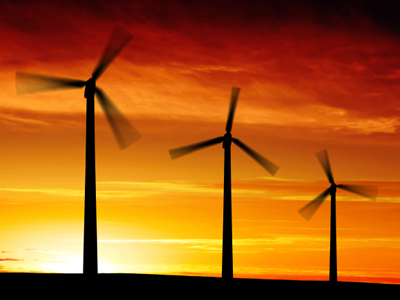
Wind farms like this are one way of generating energy for our homes.
Energy - Lights, Electricity and Heating
We use energy for light, heat and power at home. Discover how electricity, bulbs, boilers and radiators keep rooms bright and warm, and how to use them safely.
1 .
What is lighting up this house?

Windows
Mirrors
Electricity
Candles
Electricity travels round the house in wires
2 .
This torch has batteries. The batteries store __________ .
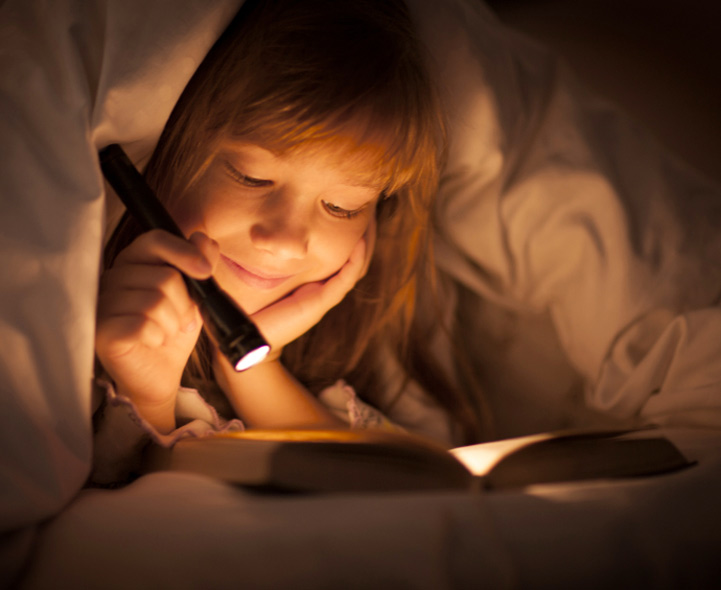
Light
Electricity
Food
Bulbs
Some batteries are rechargeable
3 .
What needs to be heated up so you can take a shower?

Soap
Shampoo
Water
Toothpaste
Water has to be heated in your home and at school. Then the water is warm when you turn on the hot tap
4 .
What is glowing inside the light?
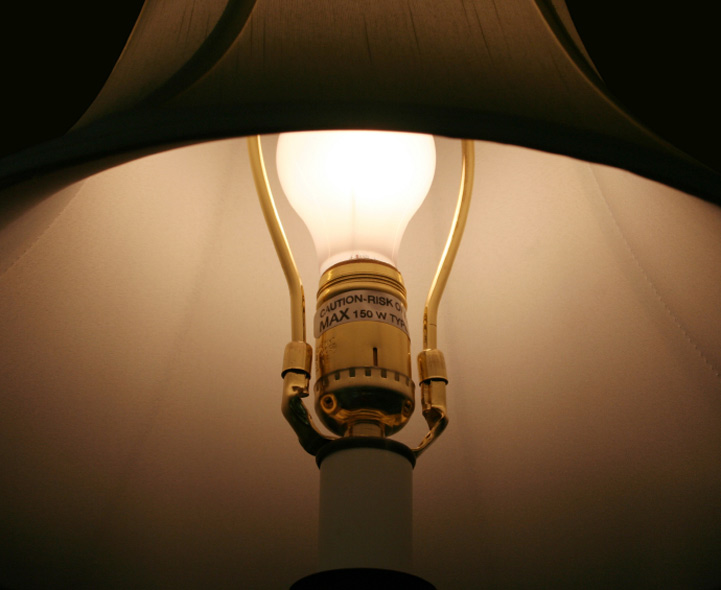
A candle
A bulb
A mirror
A window
Bulbs turn electricity into light
5 .
This family is watching television. What makes the television work?

Gas
Oil
Electricity
Plastic
Lots of things in your home are powered by electricity
6 .
How do you keep your home warm? Many houses and flats have a boiler and radiators. This is called _______ _______ .
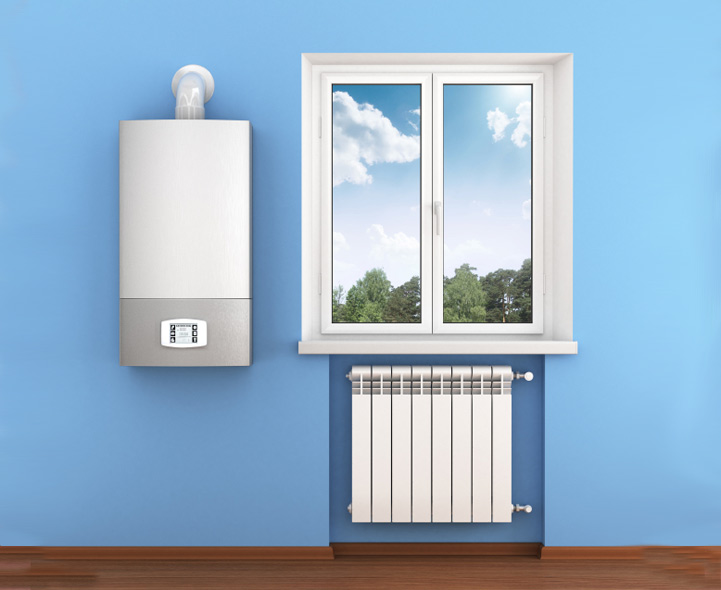
Outside heating
Central heating
Inside heating
Slow heating
The boiler is powered by gas or oil. Some houses use electricity for heating instead
7 .
These are pans on a cooker. What does this cooker use to heat the food?
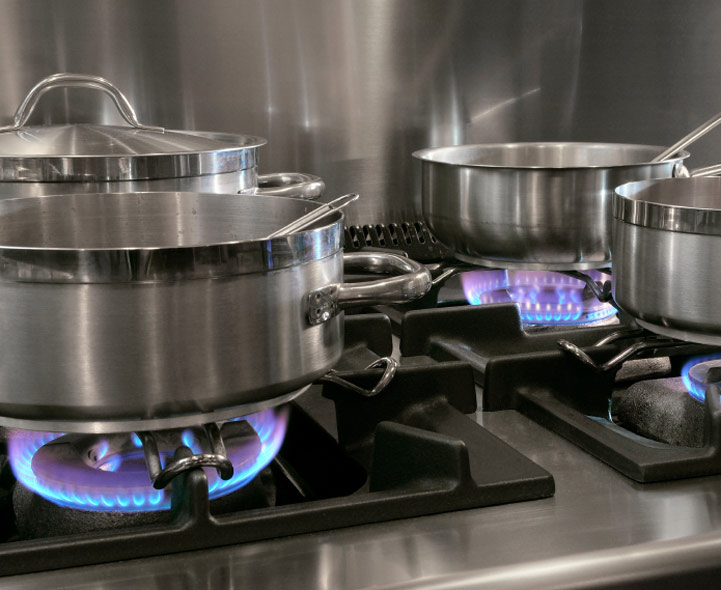
Gas
Electricity
Wood
Food
This is a gas cooker. Some cookers use electricity
8 .
What do you press to turn on the light?
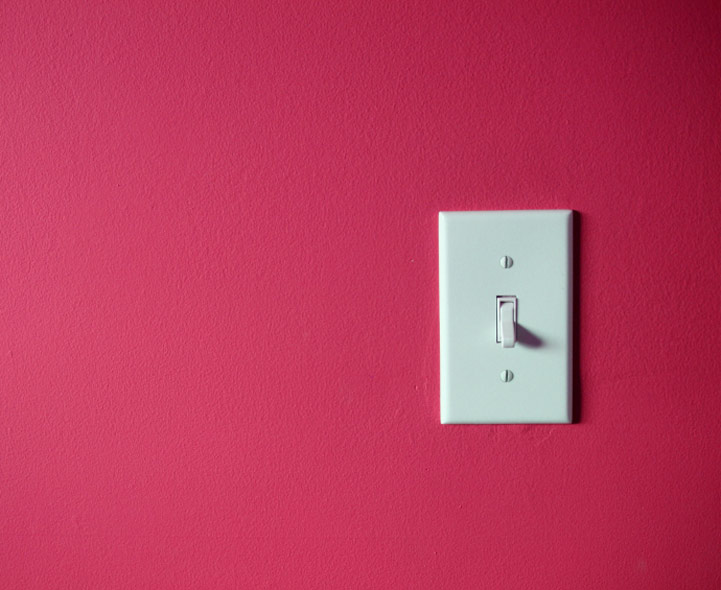
A handle
A key
A switch
A tap
The switch turns the light on. It also can turn the light off
9 .
Energy is needed to warm things up. But energy is also needed to keep things cool.
Freddie is looking in the fridge. What makes the fridge work?
Freddie is looking in the fridge. What makes the fridge work?

Water
Ice
Snow
Electricity
Freezers also use electricity
10 .
When it is dark, you turn the lights on. What powers the lights?

Gas
Candles
Electricity
Petrol
What would it be like if it was dark all the time?



**Unlimited Quizzes Await You! 🚀**
Hey there, quiz champ! 🌟 You've already tackled today's free questions.
Ready for more?
Ready for more?
🔓 Unlock UNLIMITED Quizzes and challenge yourself every day. But that's
not all...
not all...
🔥 As a Subscriber you can join our thrilling "Daily Streak" against other
quizzers. Try to win a coveted spot on our Hall of Fame Page.
quizzers. Try to win a coveted spot on our Hall of Fame Page.
Don't miss out! Join us now and keep the fun rolling. 🎉
**Unlimited Quizzes Await You! 🚀**
Hey there, quiz champ! 🌟 You've already tackled today's free questions. Ready for more?
🔓 Unlock UNLIMITED Quizzes and challenge yourself every day. But that's not all...
🔥 As a Subscriber you can join our thrilling "Daily Streak" against other quizzers. Try to win a coveted spot on our Hall of Fame Page.
Don't miss out! Join us now and keep the fun rolling. 🎉




© Copyright 2016-2026 - Education Quizzes
Work Innovate Ltd - Design | Development |
Marketing
