




Ask the AI Tutor
Need help with Animals - Parts of Animal Bodies? Ask our AI Tutor!
AI Tutor - Lucy
Connecting with Tutor...
Please wait while we establish connection
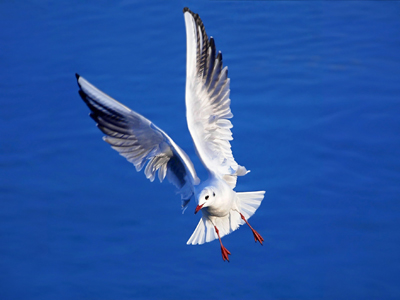
Birds have wings rather than arms. Wings help birds to fly.
Animals - Parts of Animal Bodies
Animals have different body parts to help them live. Paws, claws, fins, wings, tails and whiskers each have special jobs for moving, hunting, sensing and staying safe.
1 .
What do fish have instead of legs and arms?

Tails
Fins
Wings
Flippers
Fins help fish to swim
2 .
Why do birds have wings?

So they can fly
So they can keep warm
So they can see
So they can hear
Can you think of a bird that cannot fly? - A penguin
3 .
Some animals live in shells. Why do they live in shells?

So they are safe
So they can hear better
So they can see better
So they can make music
Have you collected seashells? What shape were they?
4 .
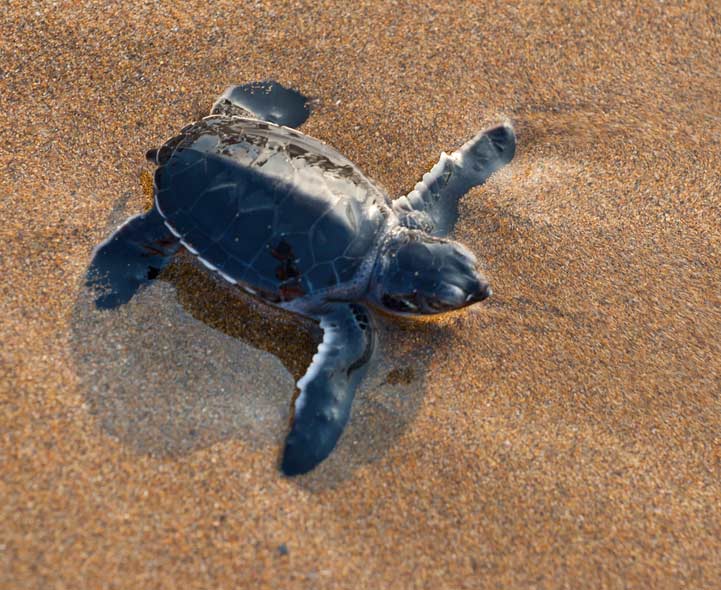
Turtles swim in the sea. What do turtles have instead of arms and legs?
Tails
Fins
Wings
Flippers
Turtles can crawl up beaches. But they are much better swimmers
5 .
Most animals have a tail. Can you think of an animal that does NOT have a tail?

Whale
Fish
Lizard
Us
Tails help animals to move and to balance. But humans do not have tails!
6 .
This animal can fly. But it is not a bird. What is it?

Fox
Squirrel
Bat
Whale
Bats are mammals
7 .
What do animals have in their head?

Legs and wings
Legs and arms
Mouth and eyes
Chest and stomach
Most animals also have ears. But sometimes you can’t see them
8 .
Why do frogs have such big back legs?

So they can see a long way
So they can jump a long way
So they can hear a long way
So they can walk on two legs
What is the difference between a toad and a frog? Toads have drier skin
9 .
Crocodiles are always on the lookout for a meal. Why do they have eyes on the top of their head?

So the eyes stay dry
So they can see their next meal above the water
So they can swim
So they look frightening
Crocodiles swim on the surface, with their eyes just above the water
10 .
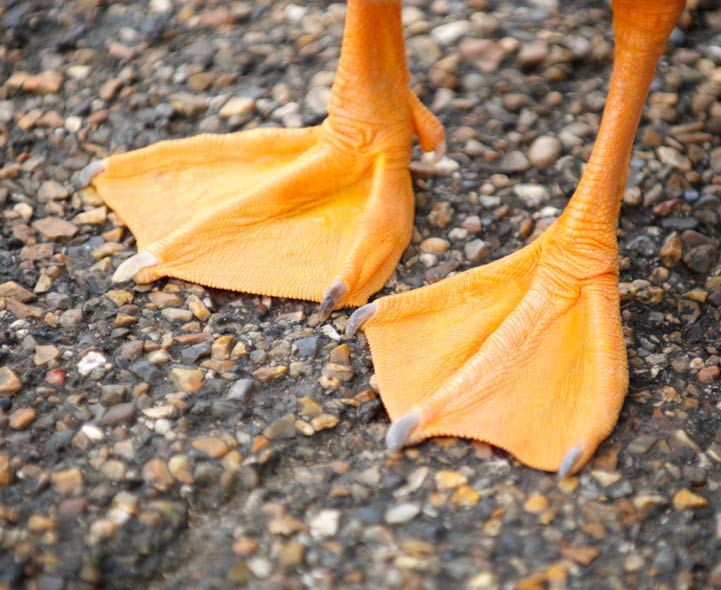
Some birds have webbed feet. Why do ducks have webbed feet?
So they can waddle
So they can run
So they can swim better
So they can fly better
What noise do ducks make?



**Unlimited Quizzes Await You! 🚀**
Hey there, quiz champ! 🌟 You've already tackled today's free questions.
Ready for more?
Ready for more?
🔓 Unlock UNLIMITED Quizzes and challenge yourself every day. But that's
not all...
not all...
🔥 As a Subscriber you can join our thrilling "Daily Streak" against other
quizzers. Try to win a coveted spot on our Hall of Fame Page.
quizzers. Try to win a coveted spot on our Hall of Fame Page.
Don't miss out! Join us now and keep the fun rolling. 🎉
**Unlimited Quizzes Await You! 🚀**
Hey there, quiz champ! 🌟 You've already tackled today's free questions. Ready for more?
🔓 Unlock UNLIMITED Quizzes and challenge yourself every day. But that's not all...
🔥 As a Subscriber you can join our thrilling "Daily Streak" against other quizzers. Try to win a coveted spot on our Hall of Fame Page.
Don't miss out! Join us now and keep the fun rolling. 🎉




© Copyright 2016-2026 - Education Quizzes
Work Innovate Ltd - Design | Development |
Marketing
