




Ask the AI Tutor
Need help with Year 2 Shapes - Describing 2D Shapes? Ask our AI Tutor!
AI Tutor - Lucy
Connecting with Tutor...
Please wait while we establish connection
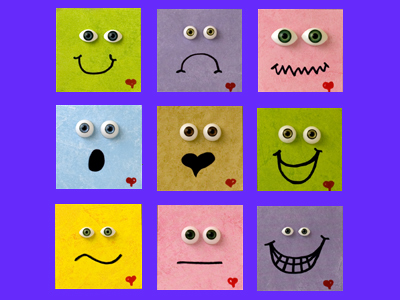
Squares are one of the most common 2-D shapes. Triangles, circles and oblongs are also 2-D shapes.
Year 2 Shapes - Describing 2D Shapes
Learn the names and properties of 2D shapes. Count sides and vertices, spot right angles, and describe shapes like triangles, pentagons and hexagons using clear, simple rules.
To see a larger image, click on the picture.
Question 1
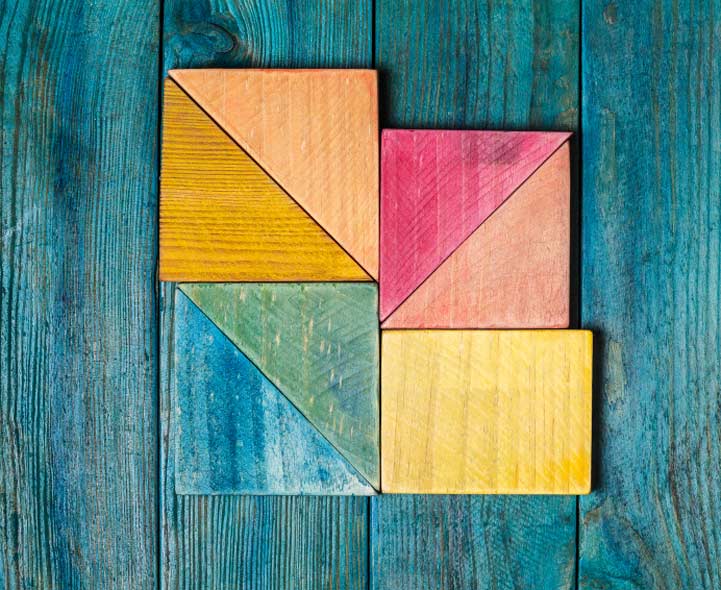
What shape are the pairs of triangles making?
Oblongs
Circles
Triangles
Squares
Two right-angled triangles pushed together can make a square
Question 2
This triangle is called an equilateral triangle because all its sides and angles are..

different lengths
the same colour
made of plastic
the same
Equilateral means equal or the same
Question 3
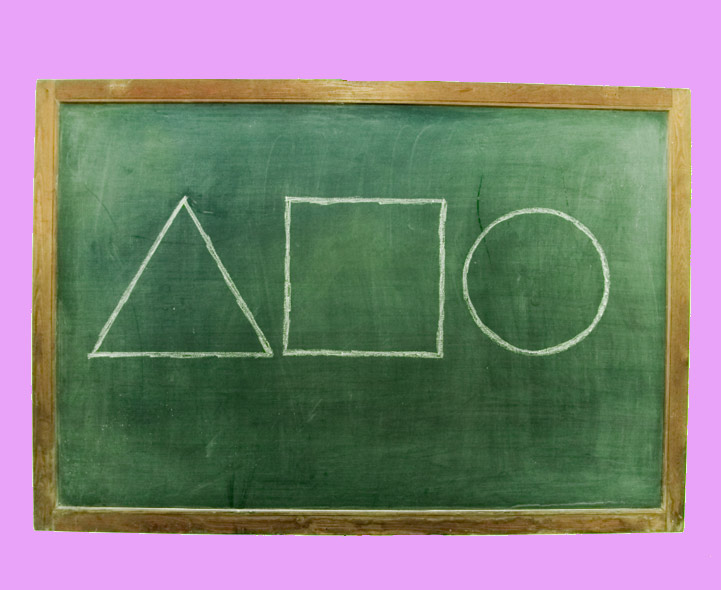
Which shape has the most corners
They all have the same number of corners
The circle
The triangle
The square
The square has four corners, the triangle has three and the circle has no corners
Question 4
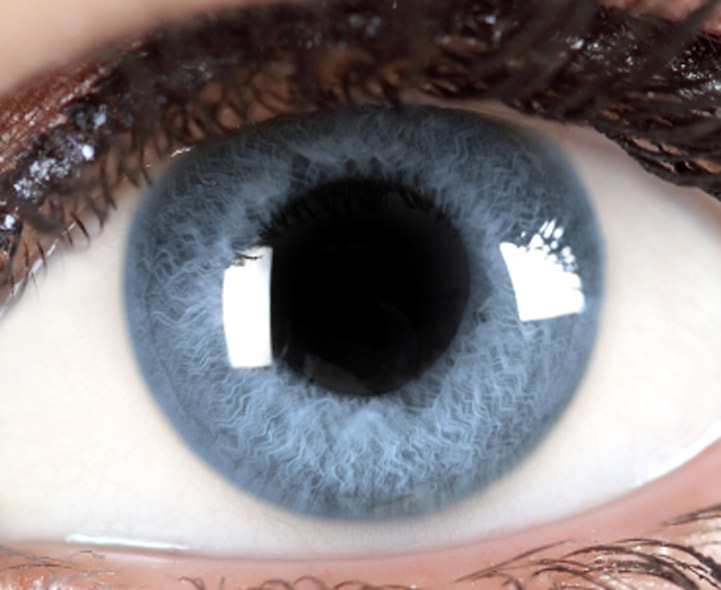
The coloured part of the eye is a...
rectangle
square
triangle
circle
The iris and pupil are both circles
Question 5
This pattern is made up from rectangles. Which shape wouldn't fit together as well?

Triangles
Circles
Squares
Cubes
Because circles are curved, they don't fit together at all!
Question 6
A square is a kind of...

sphere
triangle
circle
rectangle
A rectangle has four sides - a square is a kind of rectangle with four equal sides
Question 7
This little girl is holding...

a triangle and a circle
a triangle and a square
a circle and a rectangle
a rectangle and a square
A triangle has three straight sides and a circle has one curved side
Question 8
This road sign is a...

triangle
square
oval
oblong
Even though it is tilted, the shape is still a square
Question 9
How are rectangles different to squares?

They don't have as many corners
They have 4 sides of different lengths
They have two long and two short sides
They have more sides
Squares have 4 sides of equal length
Question 10
What shape is this clock face?
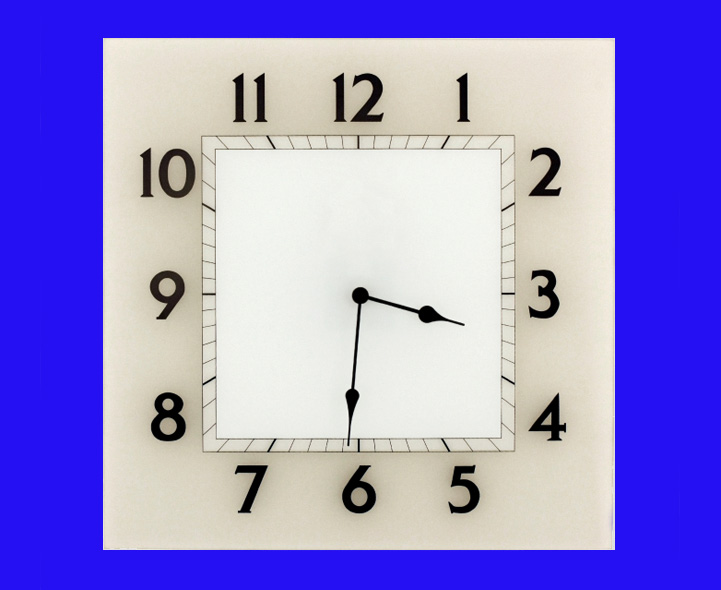
A rectangle
A circle
A square
A triangle
All four sides are the same length



**Unlimited Quizzes Await You! 🚀**
Hey there, quiz champ! 🌟 You've already tackled today's free questions.
Ready for more?
Ready for more?
🔓 Unlock UNLIMITED Quizzes and challenge yourself every day. But that's
not all...
not all...
🔥 As a Subscriber you can join our thrilling "Daily Streak" against other
quizzers. Try to win a coveted spot on our Hall of Fame Page.
quizzers. Try to win a coveted spot on our Hall of Fame Page.
Don't miss out! Join us now and keep the fun rolling. 🎉
**Unlimited Quizzes Await You! 🚀**
Hey there, quiz champ! 🌟 You've already tackled today's free questions. Ready for more?
🔓 Unlock UNLIMITED Quizzes and challenge yourself every day. But that's not all...
🔥 As a Subscriber you can join our thrilling "Daily Streak" against other quizzers. Try to win a coveted spot on our Hall of Fame Page.
Don't miss out! Join us now and keep the fun rolling. 🎉




© Copyright 2016-2026 - Education Quizzes
Work Innovate Ltd - Design | Development |
Marketing
