




Ask the AI Tutor
Need help with Buildings around the World 2? Ask our AI Tutor!
AI Tutor - Lucy
Connecting with Tutor...
Please wait while we establish connection
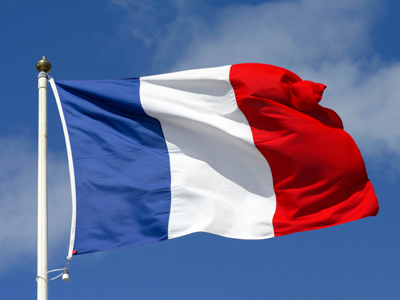
The Arc de Triomphe was built to honour the French army.
Buildings around the World 2
From tall towers to curved roofs, buildings around the world all look different. This quiz helps you spot special features and say where each one is found.
1 .
The Arc de Triomphe, in Paris, was built in 1806. Who ordered it to be constructed?

Walt Disney
Napoleon Bonaparte
The Pope
Queen Elizabeth
It was built to honour the French army
2 .
Chichen Itza was an ancient city built by the Mayans. Where is it?

France
Germany
Russia
Mexico
In the central area of the city is a mysterious and towering pyramid!
3 .
The Vatican, in Rome, is a group of churches, chapels and other buildings. Who lives there?

The Queen
A princess
A president
The Pope
The Vatican City is recognised as the smallest country in the world
4 .
The Empire State Building, in Manhattan, New York, was built in the 1930s. Until the 1970s, it was what?

Incomplete
Rebuilt four times
Home to the president of America
The tallest building in the world
Including the roof spire, it stands a total of 1,454 feet, or 443 metres, tall
5 .
The Sistine Chapel, in Rome, forms part of the Vatican. Who painted its magnificent ceiling?

Michelangelo
Leonardo Da Vinci
Picasso
John Constable
It took Michelangelo just over four years to paint the entire ceiling
6 .
Notre-Dame in Paris is a beautiful 12th century cathedral. What does 'Notre Dame' mean?

Our Lady
Next to God
Not Damaged
Never Dream
It is an excellent example of Gothic architecture
7 .
The Sydney Opera House is a performing arts centre in Australia. What has its shape been compared to?
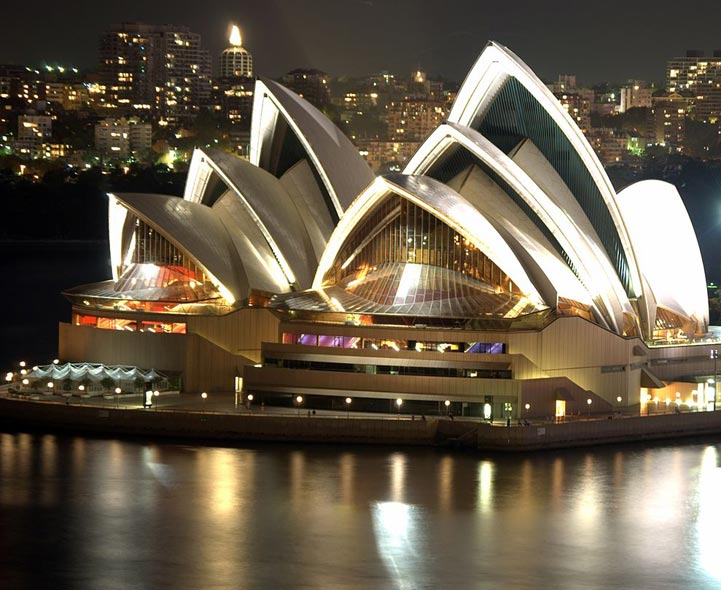
Shell-shaped sails
Long, thin ropes
Wide, flat boxes
Hexagonal-shaped tubes
The Opera House houses many different venues and was opened in 1973
8 .
The White Horse Temple in Luoyang is noted as being what?

The first temple to have stables
The first temple in the world
The first temple to have windows
The first Buddhist temple in China
It was built in 68 AD by Emperor Ming
9 .
The White House is the official residence of the president of America. When was it completed?

1900
1800
2013
1455
More than 40 different presidents have lived there since it was built
10 .
Easter Island is famous for its nearly 900 huge stone figures dotted about. What is not known about them?

Why they were carved
What they are made from
Where they all are
How tall they are
They may have been carved around 1,000 years ago, but still no one knows why this happened.



**Unlimited Quizzes Await You! 🚀**
Hey there, quiz champ! 🌟 You've already tackled today's free questions.
Ready for more?
Ready for more?
🔓 Unlock UNLIMITED Quizzes and challenge yourself every day. But that's
not all...
not all...
🔥 As a Subscriber you can join our thrilling "Daily Streak" against other
quizzers. Try to win a coveted spot on our Hall of Fame Page.
quizzers. Try to win a coveted spot on our Hall of Fame Page.
Don't miss out! Join us now and keep the fun rolling. 🎉
**Unlimited Quizzes Await You! 🚀**
Hey there, quiz champ! 🌟 You've already tackled today's free questions. Ready for more?
🔓 Unlock UNLIMITED Quizzes and challenge yourself every day. But that's not all...
🔥 As a Subscriber you can join our thrilling "Daily Streak" against other quizzers. Try to win a coveted spot on our Hall of Fame Page.
Don't miss out! Join us now and keep the fun rolling. 🎉




© Copyright 2016-2026 - Education Quizzes
Work Innovate Ltd - Design | Development |
Marketing
