




Ask the AI Tutor
Need help with Year 2 - Tricky words 2? Ask our AI Tutor!
AI Tutor - Lucy
Connecting with Tutor...
Please wait while we establish connection
Some words are tricky to spell. See how many of these you already know.
Year 2 - Tricky words 2
Some words look alike but mean different things. This Year 2 quiz helps children practise tricky spellings like there and their, so writing is clearer and more accurate.
1 .
If you read this book you will ____ your test score.

improve
inprove
improove
improov
If you read books before a test, this is called studying and if you do it the day before a test, we call this cramming.
2 .
All her ____ were pink!

cloves
cloovs
cloths
clothes
Cloth is a material but clothes are something we wear.
3 .
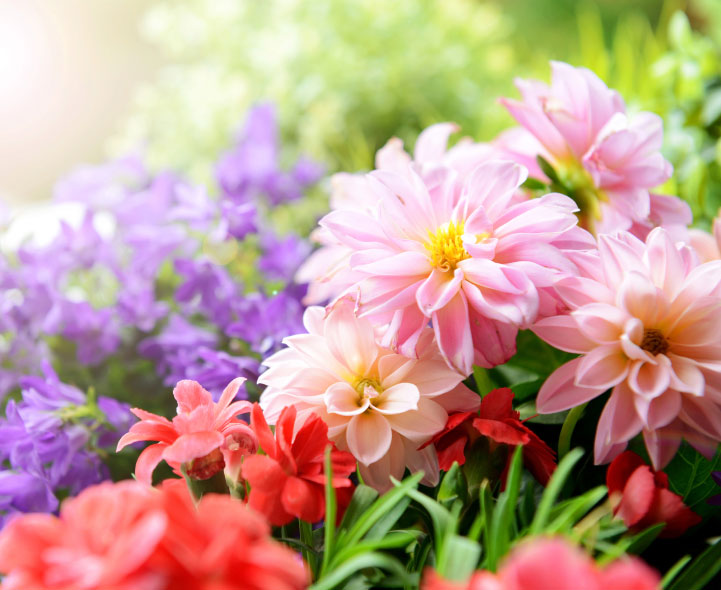
Thank you for my flowers, they are very ____.
prity
pritty
pretty
prety
Flowers are a great gift because they look pretty and they smell lovely!
4 .
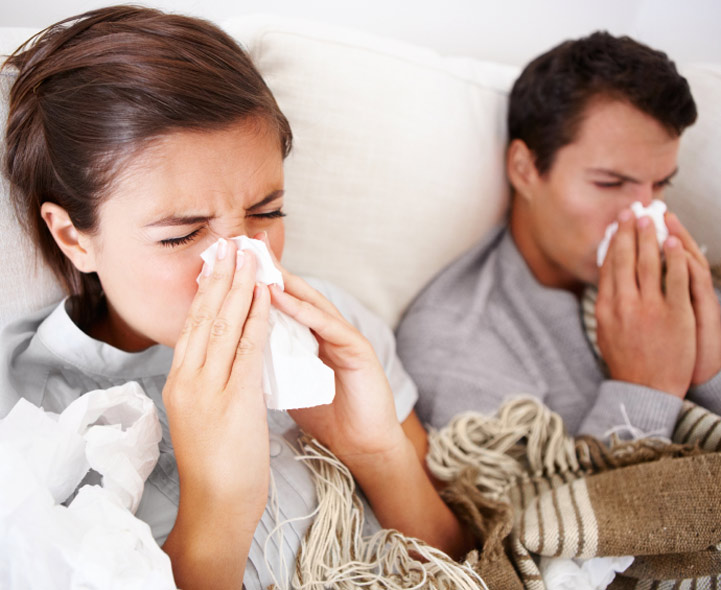
They both caught a ____.
kold
coled
coald
cold
You can feel cold and you can catch a cold!
5 .
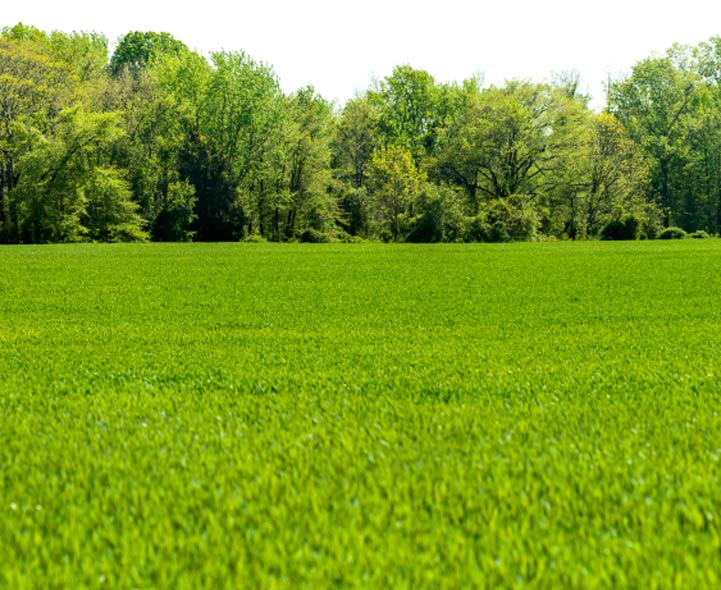
You need to trim the ____.
grarsse
grarss
gras
grass
Grass is everywhere. Nowadays you can buy artificial grass which is fake grass that you need to hoover instead of mow!
6 .
____ in this picture is special.

Everybody
Evrybody
Everybodie
Evrybodey
In fact, everybody on the planet is special!
7 .
____ Jones counted the ____ in the jar once a month.

Mrs and mony
Mrses and money
Mrs and money
Mrs and monie
If a woman is called Mrs it means they are married.
8 .
They went on holiday with their ____.

pairents
pearants
parents
pairants
This is tricky because there are the words 'pear' and 'pair' but neither spelling pattern is used for this word.
9 .
Would you like a ____ apple or half of one?

hole
whole
wholle
whol
They say an apple a day keeps the doctor away.
10 .
____ you pass the baton?

Cod
Coud
Could
Cud
Could, would and should all have the same sound pattern.



**Unlimited Quizzes Await You! 🚀**
Hey there, quiz champ! 🌟 You've already tackled today's free questions.
Ready for more?
Ready for more?
🔓 Unlock UNLIMITED Quizzes and challenge yourself every day. But that's
not all...
not all...
🔥 As a Subscriber you can join our thrilling "Daily Streak" against other
quizzers. Try to win a coveted spot on our Hall of Fame Page.
quizzers. Try to win a coveted spot on our Hall of Fame Page.
Don't miss out! Join us now and keep the fun rolling. 🎉
**Unlimited Quizzes Await You! 🚀**
Hey there, quiz champ! 🌟 You've already tackled today's free questions. Ready for more?
🔓 Unlock UNLIMITED Quizzes and challenge yourself every day. But that's not all...
🔥 As a Subscriber you can join our thrilling "Daily Streak" against other quizzers. Try to win a coveted spot on our Hall of Fame Page.
Don't miss out! Join us now and keep the fun rolling. 🎉




© Copyright 2016-2026 - Education Quizzes
Work Innovate Ltd - Design | Development |
Marketing
