




Ask the AI Tutor
Need help with Nouns - Places 01? Ask our AI Tutor!
AI Tutor - Lucy
Connecting with Tutor...
Please wait while we establish connection
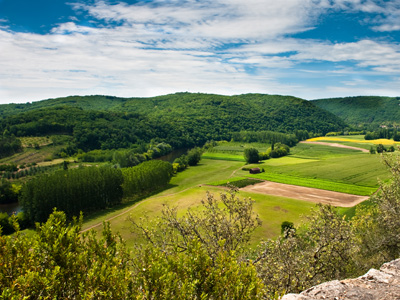
Une scène de campagne - a countryside scene
Nouns - Places 01
Build GCSE French place vocabulary for towns and trips. Practise key nouns and articles so you can describe where you go, meet friends, and ask for directions.
In each question you will be given a word or words in English. All you have to do is choose the French equivalent from the four choices offered.
1 .
Entrance
L’entrée
L’erreur
Le directeur
L’espèce
2 .
East
L’élève
L’est
L’été
L’écharpe
L’élève = pupil
L’été = summer
L’écharpe = scarf
L’été = summer
L’écharpe = scarf
3 .
Exit
Le cadeau
La sortie
Le couloir
L’hiver
Le cadeau = present / gift
Le couloir = corridor
L’hiver = winter
Le couloir = corridor
L’hiver = winter
4 .
South
Le siècle
Le sel
Le souci
Le sud
Le siècle = century
Le sel = salt
Le souci = worry / concern
Le sel = salt
Le souci = worry / concern
5 .
Town centre
Le centre-ville
Le car de ramassage
L’emploi du temps
Le centre sportif
Le car de ramassage = school bus
L’emploi du temps = timetable
Le centre sportif = sports centre
L’emploi du temps = timetable
Le centre sportif = sports centre
6 .
Countryside
La chimie
Le chou
Le chanteur
La campagne
La chimie = chemistry
Le chou = cabbage
Le chanteur = singer
Le chou = cabbage
Le chanteur = singer
7 .
West
L’ado
L’outil
L’étage
L’ouest
L’ado = adolescent
L’outil = tool
L’étage = floor / storey
L’outil = tool
L’étage = floor / storey
8 .
Suburb
La vedette
L’environnement
La banlieue
Le trou
La vedette = film star
L’environnement = environment
Le trou = hole
L’environnement = environment
Le trou = hole
9 .
North
La note
La nuit
Le nord
La noix
La note = mark
La nuit = night
La noix = nut
La nuit = night
La noix = nut
10 .
Town
Le veau
La ville
La vague
Le voyou
Le veau = veal
La vague = wave
Le voyou = yob / hooligan
La vague = wave
Le voyou = yob / hooligan



**Unlimited Quizzes Await You! 🚀**
Hey there, quiz champ! 🌟 You've already tackled today's free questions.
Ready for more?
Ready for more?
🔓 Unlock UNLIMITED Quizzes and challenge yourself every day. But that's
not all...
not all...
🔥 As a Subscriber you can join our thrilling "Daily Streak" against other
quizzers. Try to win a coveted spot on our Hall of Fame Page.
quizzers. Try to win a coveted spot on our Hall of Fame Page.
Don't miss out! Join us now and keep the fun rolling. 🎉
**Unlimited Quizzes Await You! 🚀**
Hey there, quiz champ! 🌟 You've already tackled today's free questions. Ready for more?
🔓 Unlock UNLIMITED Quizzes and challenge yourself every day. But that's not all...
🔥 As a Subscriber you can join our thrilling "Daily Streak" against other quizzers. Try to win a coveted spot on our Hall of Fame Page.
Don't miss out! Join us now and keep the fun rolling. 🎉




© Copyright 2016-2026 - Education Quizzes
Work Innovate Ltd - Design | Development |
Marketing

Le directeur = headmaster
L’espèce = type / kind