




Ask the AI Tutor
Need help with Squirrel Scout Quiz - Colours in Nature? Ask our AI Tutor!
AI Tutor - Lucy
Connecting with Tutor...
Please wait while we establish connection
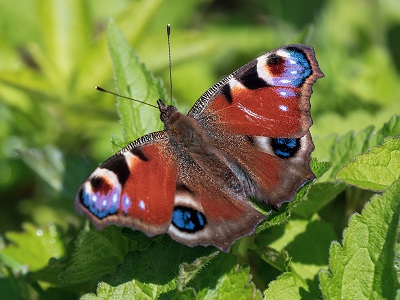
Butterflies can be may different colours. Just look at this lovely butterfly.
Squirrel Scout Quiz - Colours in Nature
Colours in nature can help animals hide, warn others, or attract attention. This quiz checks what you know about patterns, camouflage, and why some colours look so bright.
1 .
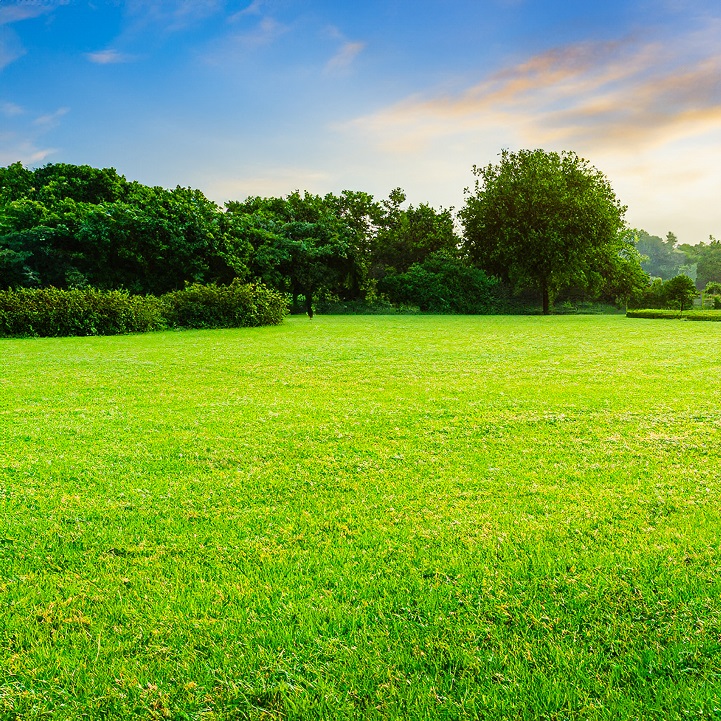
What colour is grass and most leaves?
Red
Green
Blue
Yellow
Grass and leaves are usually green. Green is a common colour in nature.
2 .
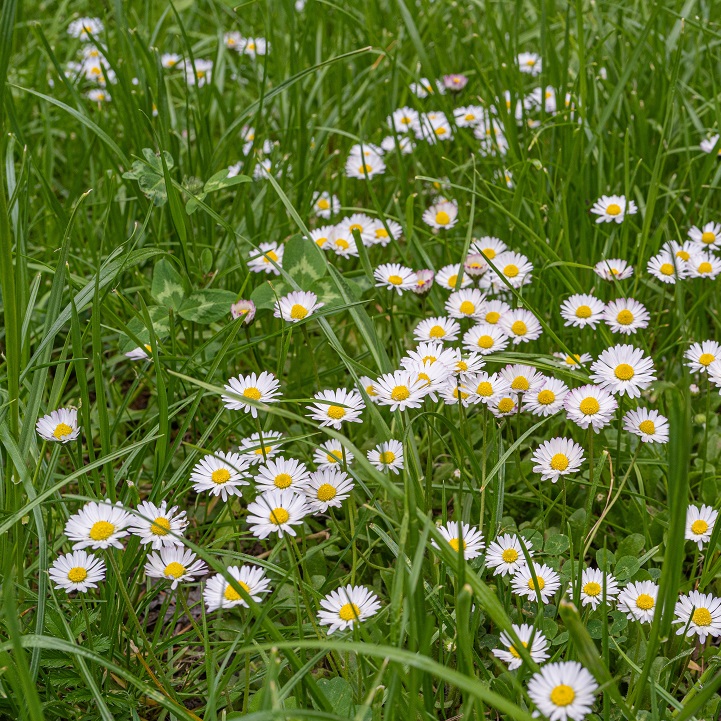
What colour are most daisy petals?
Purple
White
Orange
Blue
Daisies are often white with a yellow centre, adding a pop of colour to grassy areas.
3 .
What colour is the sky on a clear day?

Green
Orange
Blue
Pink
The colour of the sky on a bright sunny day is blue.
4 .
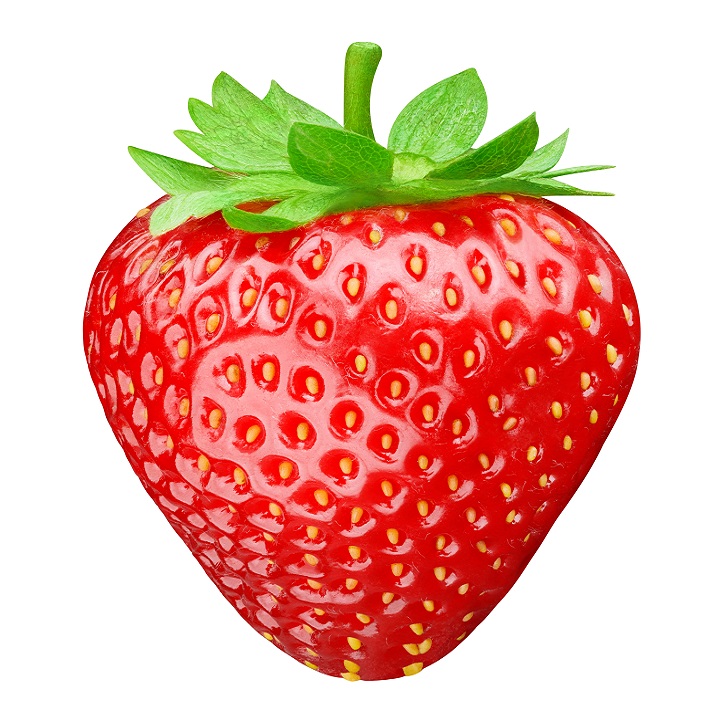
What colour are ripe strawberries?
Yellow
Red
Purple
Green
Ripe strawberries turn bright red and taste sweet and delicious.
5 .
What colour is a sunflower?
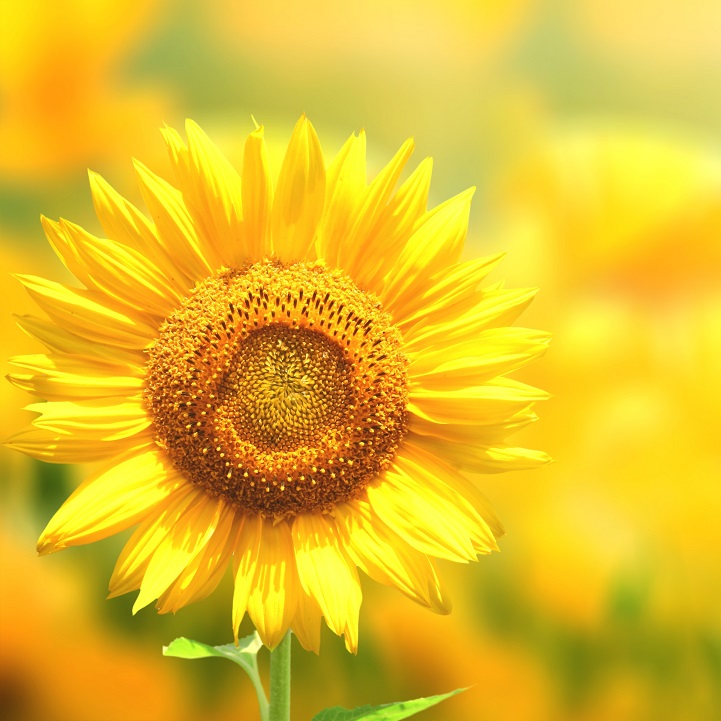
Yellow
Blue
Red
Green
Sunflowers are big, bright, yellow flowers that bees love.
6 .
What colour are robins' chests?
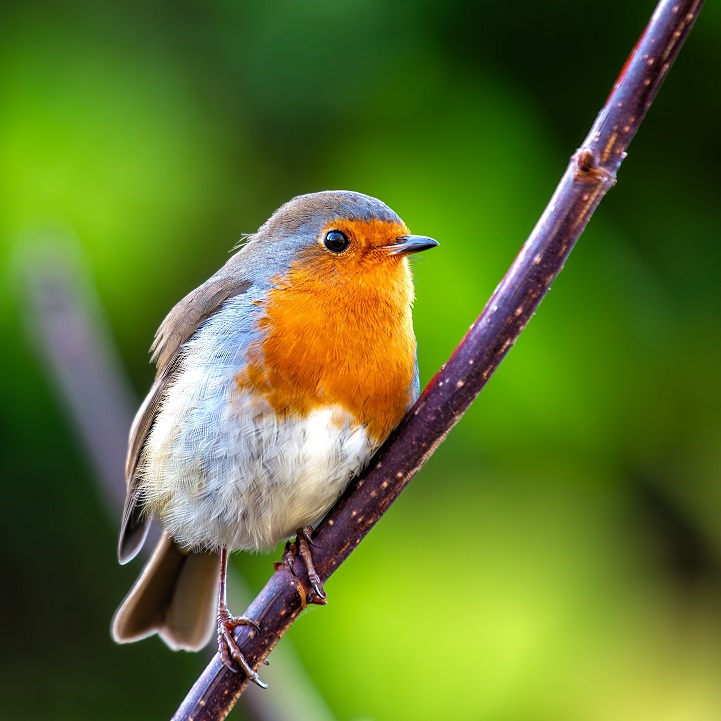
Brown
Red
Blue
Black
Robins are known for their red-orange chests and are common birds in gardens
7 .
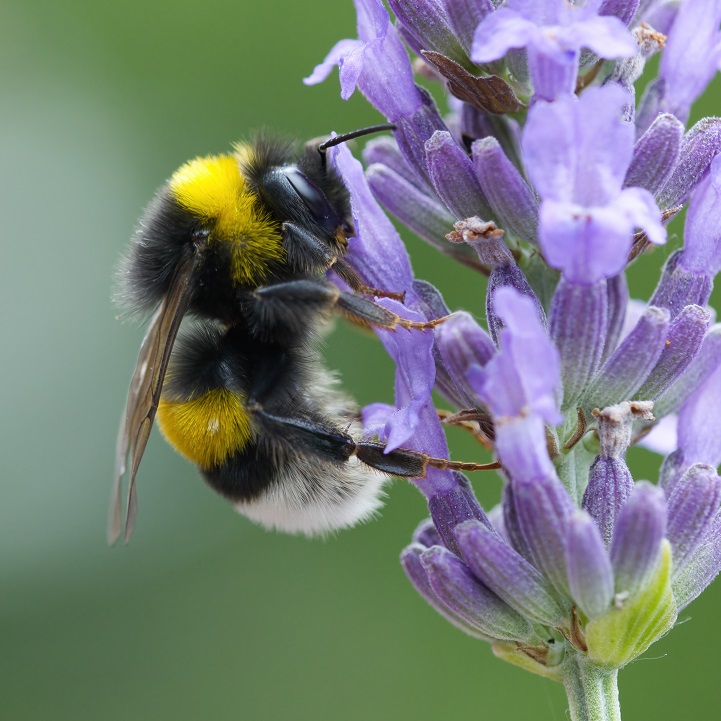
What colour is a bumblebee's body?
Pink and White
Black and Yellow
Red and Green
Blue and Brown
Bumblebees have black and yellow stripes that make them easy for us to see.
8 .
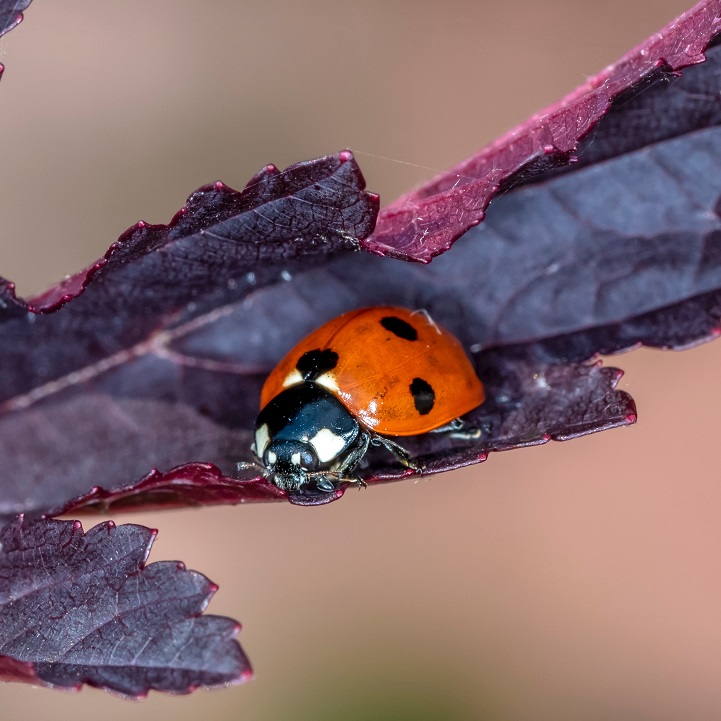
What colour are ladybirds' spots?
White
Blue
Black
Yellow
Ladybirds are red with black spots, making them one of the easiest insects to spot in a garden.
9 .
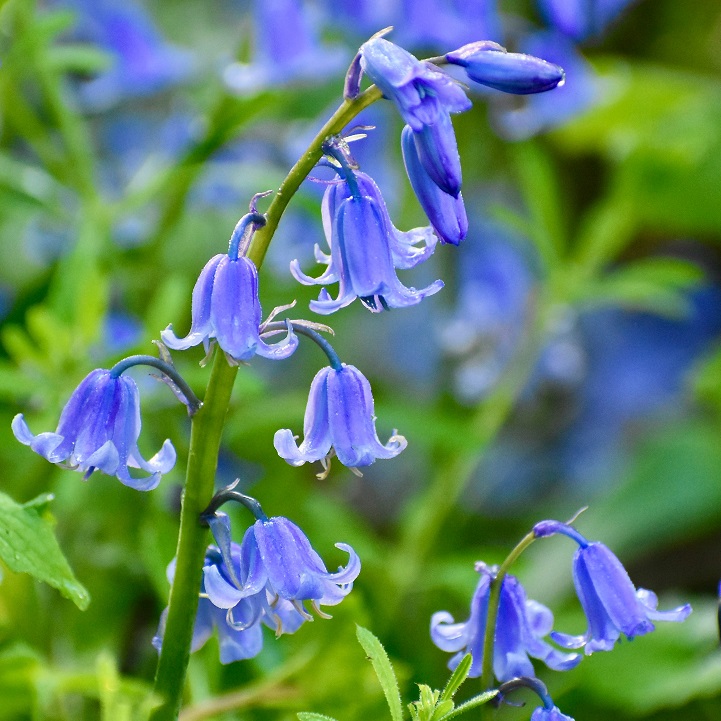
What colour are the petals of a bluebell flower?
Pink
Yellow
Blue
White
Bluebells get their name from their bell-shaped blue flowers that cover the floor of woods and forests in spring.
10 .
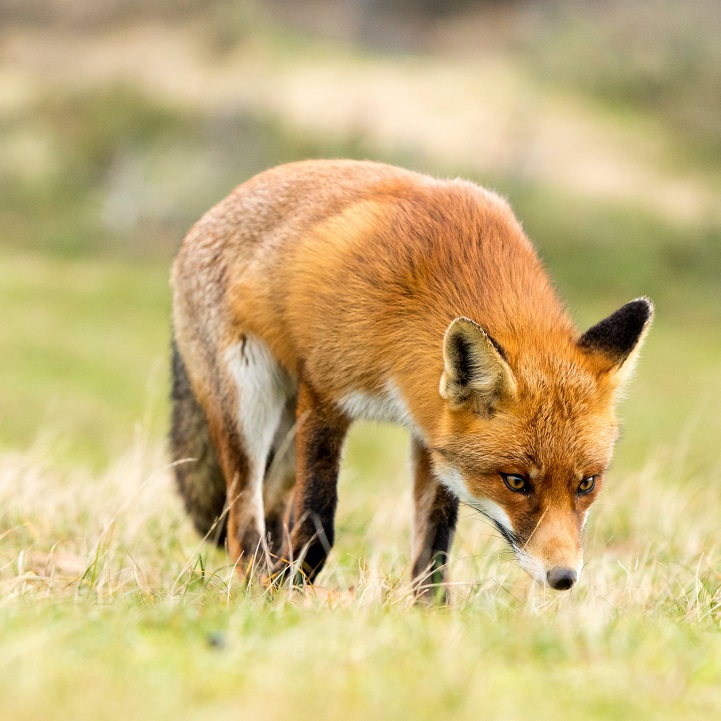
What colour is the fur of most foxes?
Green
Red
Blue
Purple
Red foxes have reddish-orange fur and a bushy white tipped tail.



**Unlimited Quizzes Await You! 🚀**
Hey there, quiz champ! 🌟 You've already tackled today's free questions.
Ready for more?
Ready for more?
🔓 Unlock UNLIMITED Quizzes and challenge yourself every day. But that's
not all...
not all...
🔥 As a Subscriber you can join our thrilling "Daily Streak" against other
quizzers. Try to win a coveted spot on our Hall of Fame Page.
quizzers. Try to win a coveted spot on our Hall of Fame Page.
Don't miss out! Join us now and keep the fun rolling. 🎉
**Unlimited Quizzes Await You! 🚀**
Hey there, quiz champ! 🌟 You've already tackled today's free questions. Ready for more?
🔓 Unlock UNLIMITED Quizzes and challenge yourself every day. But that's not all...
🔥 As a Subscriber you can join our thrilling "Daily Streak" against other quizzers. Try to win a coveted spot on our Hall of Fame Page.
Don't miss out! Join us now and keep the fun rolling. 🎉




© Copyright 2016-2026 - Education Quizzes
Work Innovate Ltd - Design | Development |
Marketing
