




Ask the AI Tutor
Need help with British Birds - Sandpipers and Godwits? Ask our AI Tutor!
AI Tutor - Lucy
Connecting with Tutor...
Please wait while we establish connection
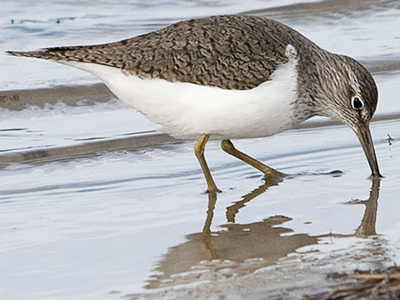
This bird habitually bobs up and down, known as 'teetering'.
British Birds - Sandpipers and Godwits
Sandpipers and godwits are shorebirds that hunt for food with long bills and quick steps. Learn how to spot them by shape, plumage and behaviour around Britain’s coasts.
To see a larger image, click on the picture.
1 .
What is the name of this bird?
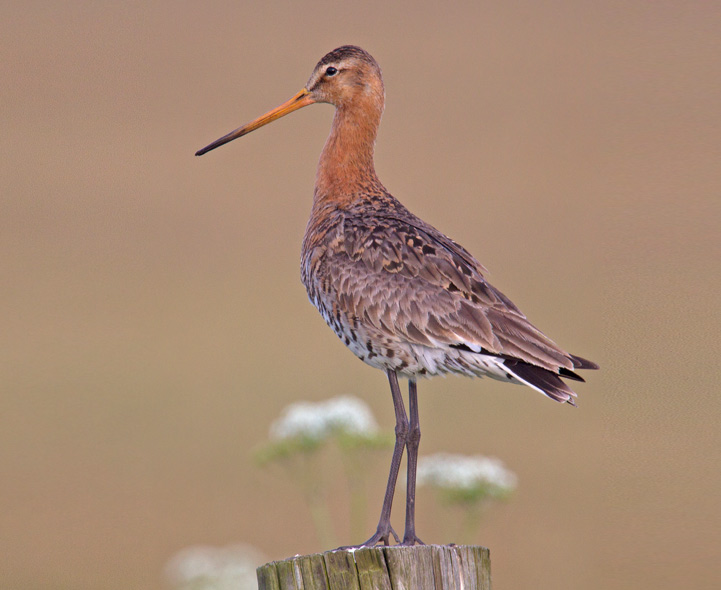
Photograph courtesy of http://photo-natur.de/
Black-tailed Godwit
Purple Sandpiper
Pectoral Sandpiper
Wood Sandpiper
- Group: Sandpipers and allies
- Binomial: Limosa limosa
- Order: Charadriiformes
- Family: Scolopacidae
- Status: Winter Visitor, Passage Migrant And Scarce Summer Breeding Species
- Unpaired males defend a temporary territory and perform display flights to attract a mate.
- Once eggs are laid, an area of 30-50 metres around the nest is defended.
2 .
What is the name of this bird?
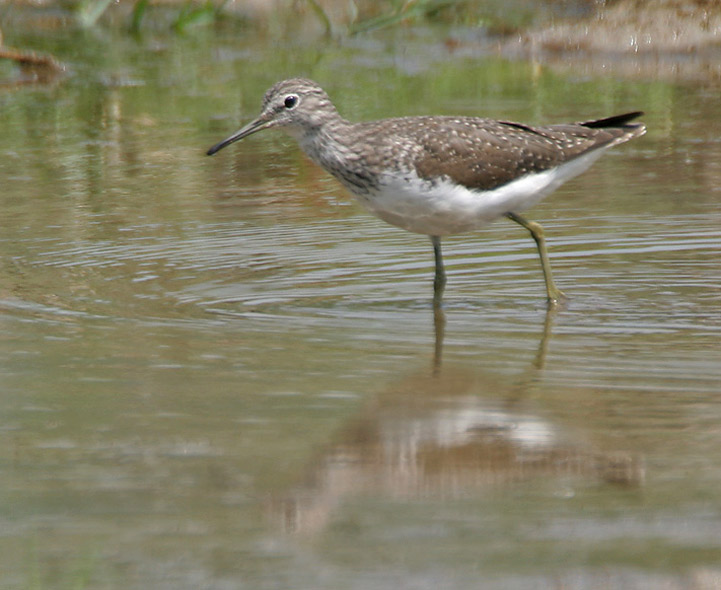
Photograph courtesy of J M Garg
Wood Sandpiper
Black-tailed Godwit
Green Sandpiper
Buff-breasted Sandpiper
- Group: Sandpipers and allies
- Binomial: Tringa ochropus
- Order: Charadriiformes
- Family: Scolopacidae
- Status: Winter Visitor & Passage Migrant
- It frequently bobs up and down when standing.
- Often appears nervous and will fly off with a low zig-zagging flight when disturbed.
3 .
What is the name of this bird?
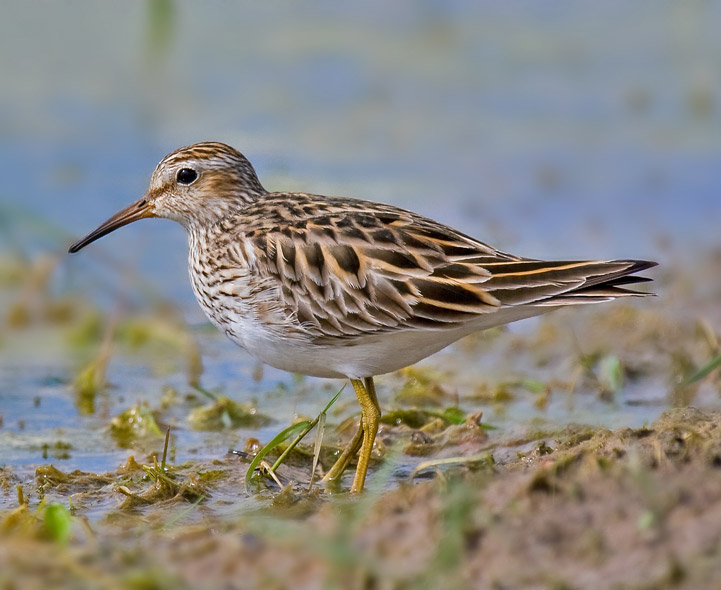
Photograph courtesy of http://photo-natur.de/
Bar-tailed Godwit
Common Sandpiper
Black-tailed Godwit
Pectoral Sandpiper
- Group: Sandpipers and allies
- Binomial: Calidris melanotos
- Order: Charadriiformes
- Family: Scolopacidae
- Status: Winter Visitor & Passage Migrant
- It is a very long-distance migrant breeding in the boggy tundra of northeast Asia and North America.
- On migration and in winter, this species is typically found in freshwater habitats.
4 .
What is the name of this bird?

Photograph courtesy of http://photo-natur.de/
Purple Sandpiper
Wood Sandpiper
Black-tailed Godwit
Curlew Sandpiper
- Group: Sandpipers and allies
- Binomial: Calidris maritima
- Order: Charadriiformes
- Family: Scolopacidae
- Status: Winter Visitor & Passage Migrant
- The male takes the major responsibility for incubation and tends the chicks.
- This species is tame and approachable.
- Can be seen principally along the east and south coasts.
5 .
What is the name of this bird?
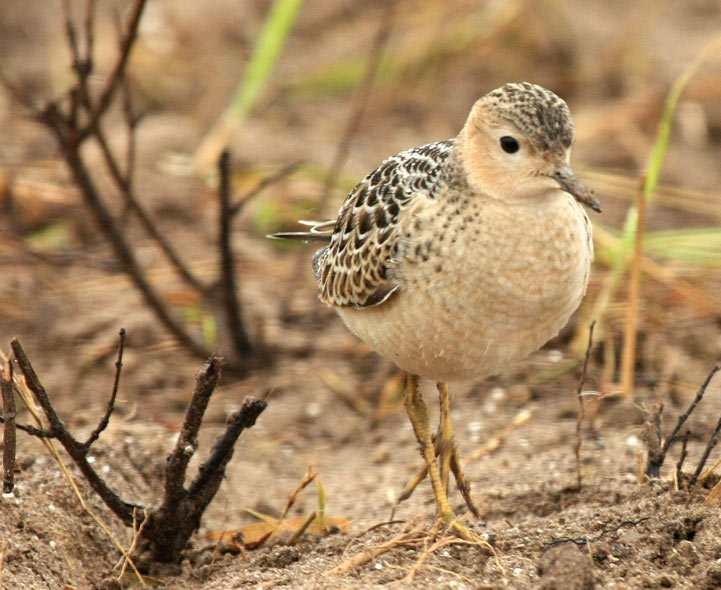
Photograph courtesy of Tim Lenz
Curlew Sandpiper
Buff-breasted Sandpiper
Bar-tailed Godwit
Green Sandpiper
- Group: Sandpipers and allies
- Binomial: Tryngites subruficollis
- Order: Charadriiformes
- Family: Scolopacidae
- Status: Passage Migrant
- Outside the breeding season, this bird is normally found on short-grass habitats such as airfields or golf-courses.
- These birds pick up food by sight, mainly eating insects and other invertebrates.
6 .
What is the name of this bird?

Photograph courtesy of http://www.marekszczepanek.pl/
Green Sandpiper
Wood Sandpiper
Curlew Sandpiper
Purple Sandpiper
- Group: Sandpipers and allies
- Binomial: Tringa glareola
- Order: Charadriiformes
- Family: Scolopacidae
- Status: Passage Migrant & Rare Localised Breeder In Far North
- This bird is a medium-sized wading bird, with a fine straight bill, yellowish legs and a conspicuous long white stripe from the bill over the eye to the back of the neck.
7 .
What is the name of this bird?
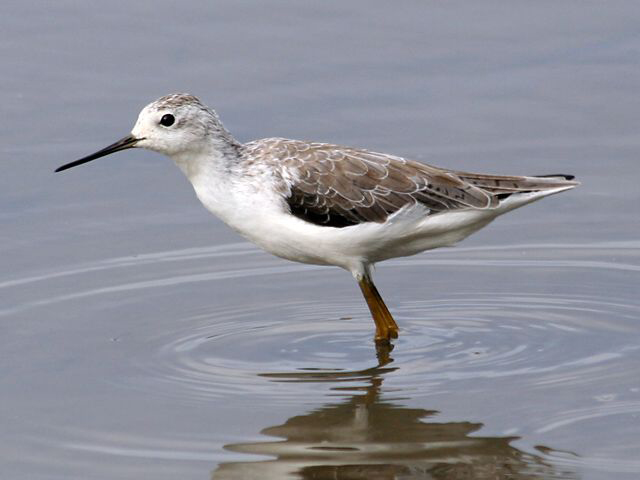
Photograph courtesy of Jason Girvan
Purple Sandpiper
Marsh Sandpiper
Common Sandpiper
Buff-breasted Sandpiper
- Group: Sandpipers and allies
- Binomial: Tringa stagnatilis
- Order: Charadriiformes
- Family: Scolopacidae
- Status: Rare Vagrant
- They prefer to winter on fresh water wetlands such as swamps and lakes and are usually seen singly or in small groups.
- These birds forage by probing in shallow water or on wet mud.
8 .
What is the name of this bird?

Photograph courtesy of http://photo-natur.de/
Wood Sandpiper
Black-tailed Godwit
Common Sandpiper
Bar-tailed Godwit
- Group: Sandpipers and allies
- Binomial: Limosa lapponica
- Order: Charadriiformes
- Family: Scolopacidae
- Status: Winter Visitor & Passage Migrant
- It breeds in the Arctic of Scandinavia and Siberia, and hundreds of thousands of them pass through the UK, on their way further south, or stop off here for the winter.
9 .
What is the name of this bird?

Photograph courtesy of http://www.marekszczepanek.pl/
Curlew Sandpiper
Common Sandpiper
Purple Sandpiper
Black-tailed Godwit
- Group: Sandpipers and allies
- Binomial: Calidris ferruginea
- Order: Charadriiformes
- Family: Scolopacidae
- Status: Winter Visitor And Passage Migrant
- The male performs an aerial display during courtship.
- The clutch of 3-4 eggs are laid in ground scrape in the tundra.
- This wader is highly gregarious.
10 .
What is the name of this bird?
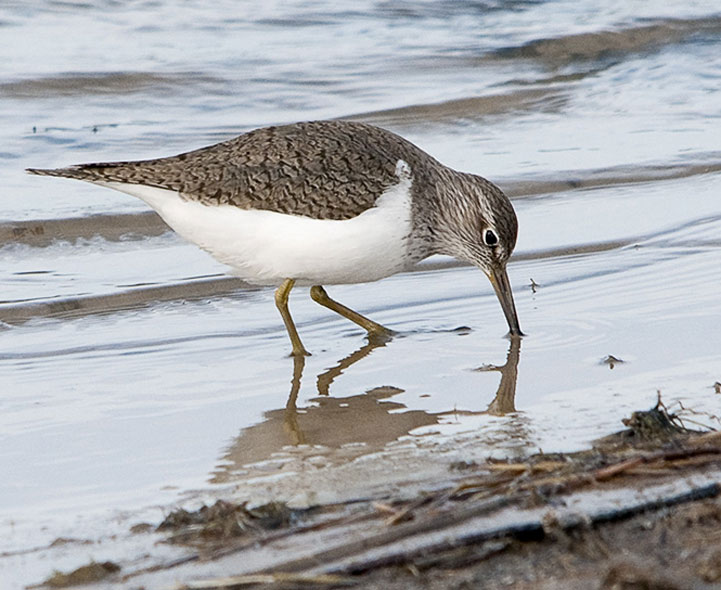
Photograph courtesy of Sergey Yeliseev
Black-tailed Godwit
Common Sandpiper
Buff-breasted Sandpiper
Wood Sandpiper
- Group: Sandpipers and allies
- Binomial: Actitis hypoleucos
- Order: Charadriiformes
- Family: Scolopacidae
- Status: Resident Breeding Species And Passage Migrant
- It habitually bobs up and down, known as 'teetering', and has a distinctive flight with stiff, bowed wings.
- Its presence is often betrayed by its three-note call as it flies off.



**Unlimited Quizzes Await You! 🚀**
Hey there, quiz champ! 🌟 You've already tackled today's free questions.
Ready for more?
Ready for more?
🔓 Unlock UNLIMITED Quizzes and challenge yourself every day. But that's
not all...
not all...
🔥 As a Subscriber you can join our thrilling "Daily Streak" against other
quizzers. Try to win a coveted spot on our Hall of Fame Page.
quizzers. Try to win a coveted spot on our Hall of Fame Page.
Don't miss out! Join us now and keep the fun rolling. 🎉
**Unlimited Quizzes Await You! 🚀**
Hey there, quiz champ! 🌟 You've already tackled today's free questions. Ready for more?
🔓 Unlock UNLIMITED Quizzes and challenge yourself every day. But that's not all...
🔥 As a Subscriber you can join our thrilling "Daily Streak" against other quizzers. Try to win a coveted spot on our Hall of Fame Page.
Don't miss out! Join us now and keep the fun rolling. 🎉




© Copyright 2016-2026 - Education Quizzes
Work Innovate Ltd - Design | Development |
Marketing
