




Ask the AI Tutor
Need help with British Birds - Cormorants and Gulls? Ask our AI Tutor!
AI Tutor - Lucy
Connecting with Tutor...
Please wait while we establish connection
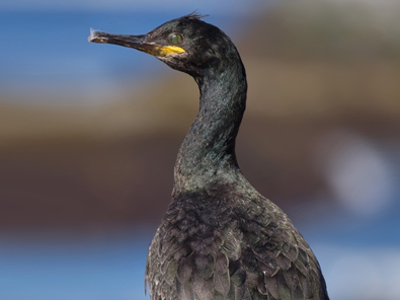
They find their prey on the sea bottom. Do you know what bird it is?
British Birds - Cormorants and Gulls
Meet cormorants and gulls, masters of coastlines and lakes. Learn what they eat, how they move, and the features that help you identify them.
To see a larger image, click on the picture.
1 .
What is the name of this bird?

Photograph courtesy of Unknown
Little Gull
European Herring Gull
Great Cormorant
Black-legged Kittiwake
- Group: Gulls
- Binomial: Larus minutus
- Order: Charadriiformes
- Family: Laridae
- Status: Winter Visitor
- Small and dainty.
- Picks food off the water surface, and will also catch insects in the air.
- Adults in summer have black heads, while young birds have a black mark on each wing which forms a 'W' pattern.
2 .
What is the name of this bird?

Photograph courtesy of http://www.fws.gov/
Great Cormorant
Common Gull
Little Gull
Great Black-backed Gull
- Group: Gulls
- Binomial: Larus canus
- Order: Charadriiformes
- Family: Laridae
- Status: Resident Breeding Species, Winter Visitor & Passage Migrant
- Now seen more often in towns and on housing estates in winter.
- An old historical name is sea mew.
- Global population is estimated to be about one million pairs.
3 .
What is the name of this bird?

Photograph courtesy of http://photo-natur.de/
European Shag
Mediterranean Gull
Lesser Black-backed Gull
Black-headed Gull
- Group: Gulls
- Binomial: Larus fuscus
- Order: Charadriiformes
- Family: Laridae
- Status: Resident Breeding Species And Passage Migrant
- World population is found entirely in Europe.
- Increasingly common in urban habitats, even in inland locations such as the West Midlands.
4 .
What is the name of this bird?
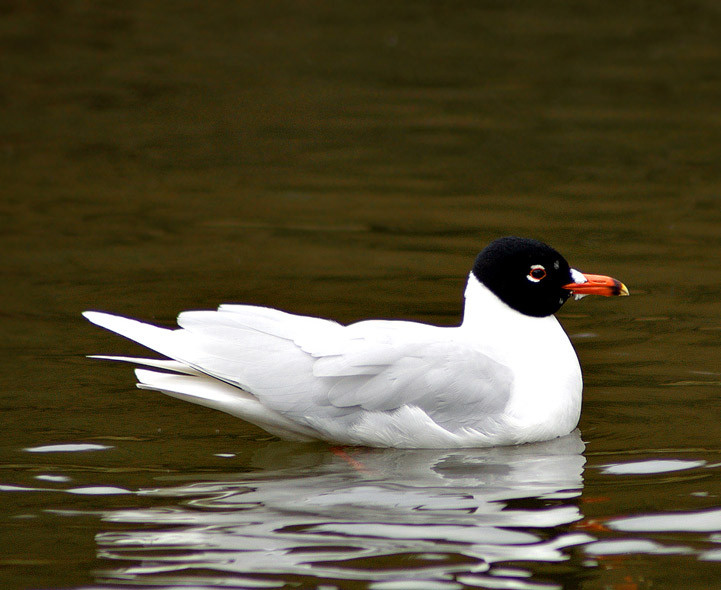
Photograph courtesy of Martin Olsson
Little Gull
Mediterranean Gull
Black-headed Gull
Common Gull
- Group: Gulls
- Binomial: Larus melanocephalus
- Order: Charadriiformes
- Family: Laridae
- Status: Breeding Summer Visitor
- Has colonised Britain, mainly in southern and eastern England.
- In winter, migrates to Mediterranean and Atlantic coasts.
- A noisy species, especially at colonies, with a nasal 'yeah' call.
5 .
What is the name of this bird?

Photograph courtesy of http://photo-natur.de/
Common Gull
Little Gull
Great Black-backed Gull
Black-legged Kittiwake
- Group: Gulls
- Binomial: Larus marinus
- Order: Charadriiformes
- Family: Laridae
- Status: Resident Breeding Species And Passage Migrant
- The largest of its kind in the world.
- The call is a deep 'laughing' cry.
- Opportunistic and get most of their food from scavenging.
- Maximum recorded age is 27 years.
6 .
What is the name of this bird?

Photograph courtesy of J J Harrison
Great Black-backed Gull
Common Gull
Great Cormorant
Mediterranean Gull
- Group: Cormorants
- Binomial: Phalacrocorax carbo
- Order: Pelecaniformes
- Family: Phalacrocoracidae
- Status: Resident Breeding Species
- Feeds on the sea, in estuaries, and on freshwater lakes and rivers.
- Breeds mainly on coasts, nesting on cliffs or in trees.
- Dive times of 20–30 seconds are common.
7 .
What is the name of this bird?
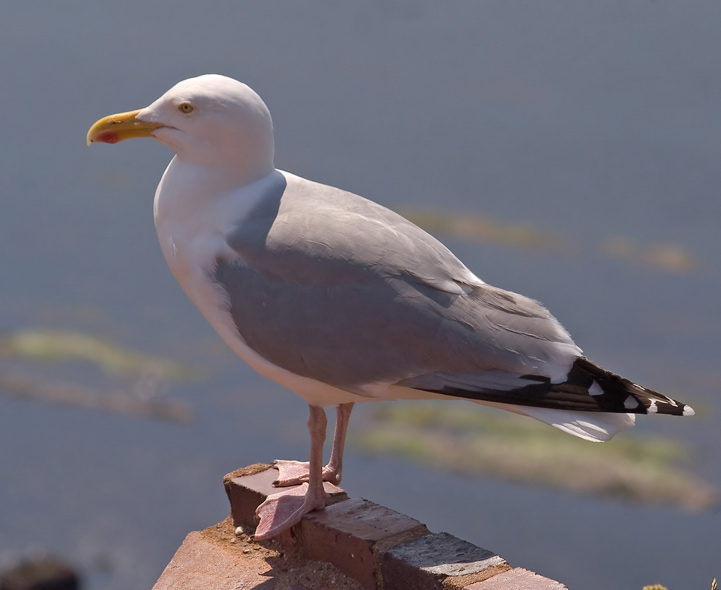
Photograph courtesy of Kurt Kulac
European Herring Gull
Black-headed Gull
Lesser Black-backed Gull
European Shag
- Group: Gulls
- Binomial: Larus argentatus
- Order: Charadriiformes
- Family: Laridae
- Status: Resident Breeding Species
- The most abundant and best known of its kind along the shores of western Europe.
- Also abundant around inland garbage dumps, and some have even adapted to life in inland cities.
8 .
What is the name of this bird?
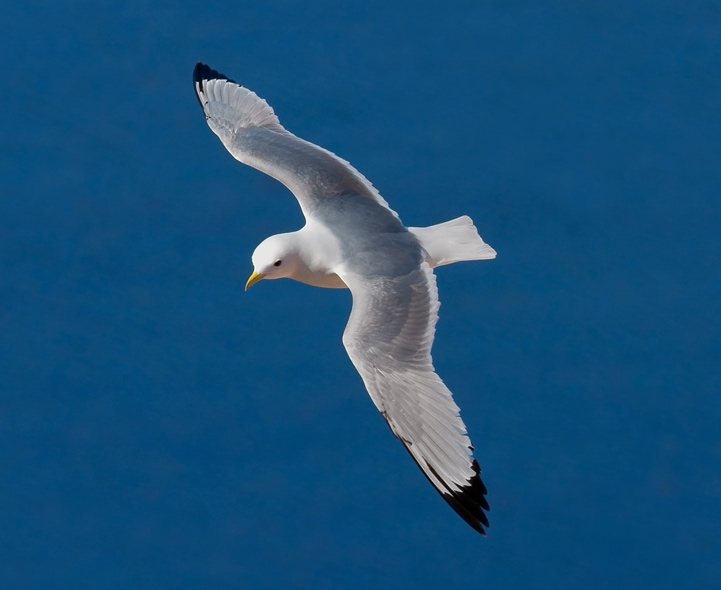
Photograph courtesy of http://photo-natur.de/
Black-headed Gull
Little Gull
Black-legged Kittiwake
Mediterranean Gull
- Group: Gulls
- Binomial: Rissa tridactyla
- Order: Charadriiformes
- Family: Laridae
- Status: Breeding Summer Visitor And Resident Species
- Breeds in large colonies on cliffs and is very noisy on the breeding ground.
- Is capable of utilizing the very sheerest of vertical cliffs.
- They do not scavenge at tips.
9 .
What is the name of this bird?

Photograph courtesy of http://photo-natur.de/
European Herring Gull
Common Gull
Little Gull
European Shag
- Group: Cormorants
- Binomial: Phalacrocorax aristotelis
- Order: Pelecaniformes
- Family: Phalacrocoracidae
- Status: Resident Breeding Species
- They find their prey on the sea bottom.
- Will eat a wide range of fish but their commonest prey is the sand eel.
- When they dive, they jump out of the water first to give extra impetus to the dive.
10 .
What is the name of this bird?
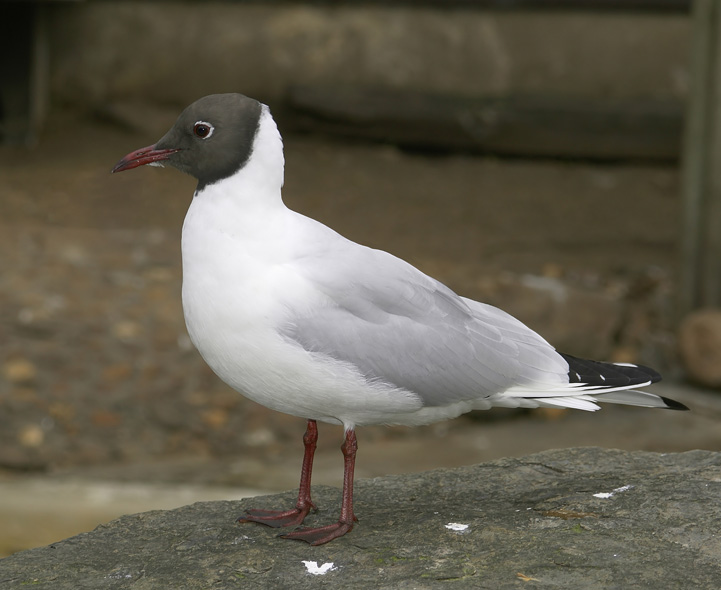
Photograph courtesy of Hans Hillewaert
Great Cormorant
Great Black-backed Gull
Black-headed Gull
Common Gull
- Group: Gulls
- Binomial: Larus ridibundus
- Order: Charadriiformes
- Family: Laridae
- Status: Resident Breeding Species
- Sociable, quarrelsome, noisy birds, usually seen in small groups or flocks.
- The eggs are considered a delicacy and eaten hard boiled.
- The character 'Kehaar' in Watership Down is this bird.



**Unlimited Quizzes Await You! 🚀**
Hey there, quiz champ! 🌟 You've already tackled today's free questions.
Ready for more?
Ready for more?
🔓 Unlock UNLIMITED Quizzes and challenge yourself every day. But that's
not all...
not all...
🔥 As a Subscriber you can join our thrilling "Daily Streak" against other
quizzers. Try to win a coveted spot on our Hall of Fame Page.
quizzers. Try to win a coveted spot on our Hall of Fame Page.
Don't miss out! Join us now and keep the fun rolling. 🎉
**Unlimited Quizzes Await You! 🚀**
Hey there, quiz champ! 🌟 You've already tackled today's free questions. Ready for more?
🔓 Unlock UNLIMITED Quizzes and challenge yourself every day. But that's not all...
🔥 As a Subscriber you can join our thrilling "Daily Streak" against other quizzers. Try to win a coveted spot on our Hall of Fame Page.
Don't miss out! Join us now and keep the fun rolling. 🎉




© Copyright 2016-2026 - Education Quizzes
Work Innovate Ltd - Design | Development |
Marketing
