




Ask the AI Tutor
Need help with Oral Health - Age 7-11? Ask our AI Tutor!
AI Tutor - Lucy
Connecting with Tutor...
Please wait while we establish connection
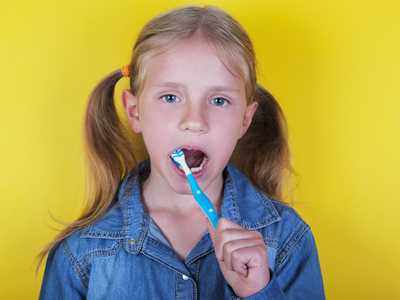
You need to clean your teeth at least twice a day.
Oral Health - Age 7-11
Teeth do a big job every day. This quiz helps you learn simple oral health habits, like brushing well, caring for gums, and keeping your mouth fresh and comfortable.
1 .
On average, how many teeth do children have?
32
28
20
16
Children have an average of 20 teeth with more coming through from the age of 12
2 .
How many teeth do adults have?
34
32
28
20
Adults have an average of 32 teeth
3 .
What is a cavity?
Another name for bad breath
A type of tooth
A healthy tooth
Another name for tooth decay
A cavity is another name for a tooth that has got tooth decay
4 .
What are the sharp pointy teeth at the side called?
Wisdom teeth
Central incisors
Canines
Molars
The sharp teeth at the side are called canines
5 .
How often should you clean your teeth?
When they feel dirty
Three times a day
Twice a day
Once a day
You should clean your teeth twice a day, once in the morning and once in the evening. You can clean them more if you have had sugary foods or drinks
6 .
Brushing your teeth prevents ...
plaque
spots
wax
roots
Brushing your teeth prevents the build up of plaque. Plaque can lead to tooth decay and gum disease
7 .
How often should you visit a dentist?
Twice a year
Twice a week
Twice a month
When you have toothache
You are advised to visit a dentist for a check up twice a year, more if they have concerns
8 .
Why is it important to use a toothpaste that contains fluoride?
Fluoride sharpens the canine teeth
Fluoride prevents tooth decay
Fluoride makes the toothpaste taste nice
Fluoride prevents crooked teeth
Fluoride is important as it prevents tooth decay
9 .
What are the teeth at the front called?
Central incisors
Wisdom teeth
Canines
Molars
The two top and two bottom front teeth are called your central incisors. The ones next to those are called the lateral incisors
10 .
What are the molars designed to do?
To bite, tear and rip food
To chew, crush and grind food
To show you are an adult
To look nice
The molars are the biggest teeth and are situated at the back of the mouth. They are designed to chew, crush and grind food







© Copyright 2016-2026 - Education Quizzes
Work Innovate Ltd - Design | Development |
Marketing
