




Ask the AI Tutor
Need help with Hygiene - Age 7-11? Ask our AI Tutor!
AI Tutor - Lucy
Connecting with Tutor...
Please wait while we establish connection
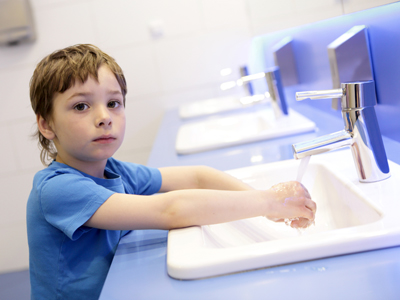
It is important to wash your hands if you may have touched bacteria.
Hygiene - Age 7-11
Good hygiene keeps you healthy and confident. Learn about washing, clean clothes, and brushing teeth, and why small daily habits help stop germs spreading.
1 .
How often should you brush your teeth?
At least once per month
At least once per week
At least twice per day
At least once per day
Ideally after eating
2 .
If bacteria from our hands is put into our mouth what could happen?
We will be hungry
Nothing
We can get spots
We can get ill
Keeping clean kills bacteria
3 .
If we don’t wash our face very often what can happen?
You may get spots
Nothing
Your skin will dry up
You will be ugly
Dirt can block our pores and cause spots
4 .
What happens to our body if we don’t wash regularly?
We will be tired
It will smell
Our skin will dry up
Nothing
How often do you have a bath?
5 .
Good food hygiene prevents ....... ?
too much washing up
eating too much
food poisoning
burning the food
Food poisoning can make you very sick
6 .
How often should we change our underwear?
Once per week
Twice per month
Every hour
Every day
It is important to change underwear or we may smell
7 .
What happens if you don’t brush your teeth regularly?
Smelly breath and decayed teeth
Smelly breath
Fresh breath and strong teeth
Decayed teeth
Keeping your teeth healthy means fewer trips to the dentist!
8 .
Why is it important to wash our hands?
To keep skin soft
To kill bacteria
Because mum says
To smell nice
We use our hands all the time
9 .
When preparing food you should ....... ?
keep cooked and raw foods together
test it regularly to check it tastes nice
use separate chopping boards for cooked and raw foods
use the same chopping board for all foods
Bacteria from raw food can spread to cooked food
10 .
How often should we wash our hands?
Before eating
Twice per day
Once per week
Whenever we may have touched bacteria
Usually before eating or touching food, after going to the toilet or touching animals







© Copyright 2016-2026 - Education Quizzes
Work Innovate Ltd - Design | Development |
Marketing
