




Ask the AI Tutor
Need help with Soundscapes 01? Ask our AI Tutor!
AI Tutor - Lucy
Connecting with Tutor...
Please wait while we establish connection
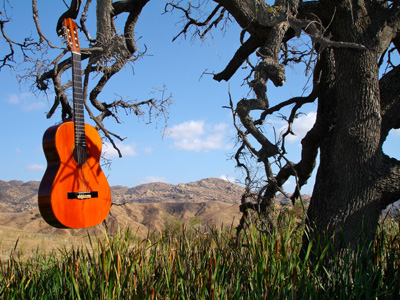
An acoustic instrument is one producing sound by entirely natural means.
Soundscapes 01
Soundscapes use layers of sound to create a place, mood, or scene. In this KS3 Music quiz, explore texture, timbre, and dynamics to tell a story without words.
1 .
What does MIDI stand for?
Multi Instrument Digital Interface
Multi Instrument Dynamic Indication
Multitrack Inaugaral Dynamic Input
Musical Instrument Digital Interface
The first MIDI synthesisers came along in 1983
2 .
A sampler .......
generates obscure sounds through a keyboard
is a library of editing presets commonly used in studios
is used to loop passages in a live performance
records and plays sounds using keyboard/sequencer triggers
Remember, it records, plays back. It does not generate
3 .
A 'sound envelope' best describes .......
a folder for sending saved sounds to and from computers
the attack, sustain and decay of a sound or note
the decompression of a sound file to a smaller format
the structure of a piece of music
How the intensity of a sound changes over its duration is called its envelope
4 .
What is an 'acoustic' instrument?
A sound card that changes background acoustics
An effect pedal that produces a specific sound
An equalisation setting to make higher tones audible
An instrument producing sound by entirely natural means
However, some musicians use separate sound amplification devices
5 .
Delay is best described as .......
the gap of time between pieces in a live show/concert
the measured time it takes for sound to travel the room
the playback of an input signal after a period of time
the silent gap between tracks on a music CD
Delay is often used in live electric guitar improvisations
6 .
How is digital recording different to analogue?
Analogue is used more often than digital
Digital recordings are an unstable and unpopular format
Waveforms are converted to numbers which are recorded
Waveforms do not undergo conversion
Opinion is divided on whether analogue or digital is better
7 .
What is reverb?
A discrete grammatical alteration in live vocal songs
A form of vibrato
A sound's persistence once removed from a certain space
Playback of a soundtrack in reverse
Reverberation, or reverb, is created when a sound is reflected. It lasts until the sound is absorbed by objects such as furniture or people
8 .
What is a vocoder?
A device used for analysing and synthesizing a voice
A device used to generate a rhythmic stuttering sound
A low sounding type of bass recorder built in the 1800s
A video to sound file conversion editing program
The first vocoder was invented in the 1930s
9 .
What is an analogue recording?
A recording using a special type of instrument
A recording using a special type of microphone
The recording of numbers as opposed to waveforms
The recording of waveforms as they are
Vinyl records and audio tapes are both analogue recordings
10 .
Which is the best example of an 'electronic' instrument?
Harpsichord
Keyboard/Synthesizer
Oboe
Saxophone
Others are electric guitar, bass guitar, 'keytar' etc.



**Unlimited Quizzes Await You! 🚀**
Hey there, quiz champ! 🌟 You've already tackled today's free questions.
Ready for more?
Ready for more?
🔓 Unlock UNLIMITED Quizzes and challenge yourself every day. But that's
not all...
not all...
🔥 As a Subscriber you can join our thrilling "Daily Streak" against other
quizzers. Try to win a coveted spot on our Hall of Fame Page.
quizzers. Try to win a coveted spot on our Hall of Fame Page.
Don't miss out! Join us now and keep the fun rolling. 🎉
**Unlimited Quizzes Await You! 🚀**
Hey there, quiz champ! 🌟 You've already tackled today's free questions. Ready for more?
🔓 Unlock UNLIMITED Quizzes and challenge yourself every day. But that's not all...
🔥 As a Subscriber you can join our thrilling "Daily Streak" against other quizzers. Try to win a coveted spot on our Hall of Fame Page.
Don't miss out! Join us now and keep the fun rolling. 🎉




© Copyright 2016-2026 - Education Quizzes
Work Innovate Ltd - Design | Development |
Marketing
