




Ask the AI Tutor
Need help with Women and the Vote 01? Ask our AI Tutor!
AI Tutor - Lucy
Connecting with Tutor...
Please wait while we establish connection
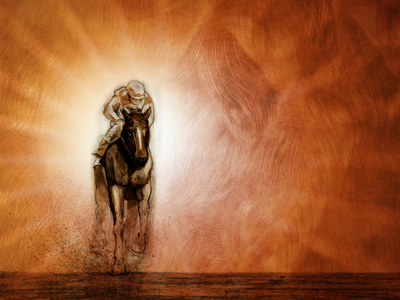
The Suffragette Emily Davison died after running in front of the King's racehorse.
Women and the Vote 01
Explore how women in Britain challenged unfair voting laws, and discover how campaigns, protests and new ideas gradually changed who had a voice in elections.
1 .
Which is the correct spelling for the women wanting the right to vote?
Suferagets
Sufferajets
Suffragettes
Suphrajettes
The movement was founded in 1903
2 .
By what letters was the Suffragette movement officially known?
WORV
WPTU
WSPU
WVRA
Women's Social and Political Union
3 .
The Suffragettes were least likely to do what?
Carry out attacks on politicians and their homes
Chain themselves to railings
Smash windows
Write letters to the newspapers
Members were often arrested and put in prison
4 .
Who led the less violent Suffragist group?
Amy Garrett
Harriet Peterson
Millicent Fawcett
Sarah Tennant
They were much more patient in their approach
5 .
Who founded the Suffragette movement?
Elizabeth Patterson
Emmeline Pankhurst
Esmerelda Pinkerton
Evangeline Parkinson
Her two daughters and five other women were also involved in setting up the organisation
6 .
The two daughters of Mrs Pankhurst were called what?
Angela and Clarissa
Marianne and Antonia
Sylvia and Christabel
Victoria and Eleanor
They were also involved in the violent protests
7 .
How did Suffragettes carry on their protest in prison?
Climbing onto the roof
Hunger strikes
Painting slogans on the prison walls
Refusing to wear clothes
They were brutally force-fed
8 .
What was the Suffragettes' slogan?
All men are evil
Ballot or bust
Deeds not words
One woman one vote
They felt that the peaceful methods of the first campaigners were not achieving anything
9 .
Which Suffragette died after running in front of the King's racehorse?
Elaine Danvers
Emilia Davis
Emily Davison
Emma Dawson
At the 1913 Derby - the horse was called Anmer
10 .
In 1918, women over what age were allowed to vote?
20
25
30
35
The Suffragettes supported the war. In 1918, many women over 30 were given the right to vote in parliamentary elections but it was another ten years before Universal Suffrage was introduced - any citizen over the age of 21 got the vote in 1928



**Unlimited Quizzes Await You! 🚀**
Hey there, quiz champ! 🌟 You've already tackled today's free questions.
Ready for more?
Ready for more?
🔓 Unlock UNLIMITED Quizzes and challenge yourself every day. But that's
not all...
not all...
🔥 As a Subscriber you can join our thrilling "Daily Streak" against other
quizzers. Try to win a coveted spot on our Hall of Fame Page.
quizzers. Try to win a coveted spot on our Hall of Fame Page.
Don't miss out! Join us now and keep the fun rolling. 🎉
**Unlimited Quizzes Await You! 🚀**
Hey there, quiz champ! 🌟 You've already tackled today's free questions. Ready for more?
🔓 Unlock UNLIMITED Quizzes and challenge yourself every day. But that's not all...
🔥 As a Subscriber you can join our thrilling "Daily Streak" against other quizzers. Try to win a coveted spot on our Hall of Fame Page.
Don't miss out! Join us now and keep the fun rolling. 🎉




© Copyright 2016-2026 - Education Quizzes
Work Innovate Ltd - Design | Development |
Marketing
