




Ask the AI Tutor
Need help with Northern Ireland: 1968-98 - Preventing A Peace Agreement, The Paramilitaries? Ask our AI Tutor!
AI Tutor - Lucy
Connecting with Tutor...
Please wait while we establish connection
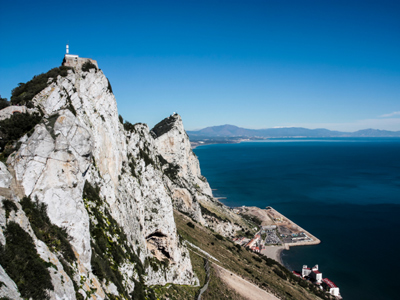
In 1997 several IRA members were shot dead by British forces whilst planning an attack on the territory of Gibraltar.
Northern Ireland: 1968-98 - Preventing A Peace Agreement, The Paramilitaries
This GCSE History quiz explores how paramilitary violence, intimidation and fear in Northern Ireland made it harder for politicians and communities to agree and stick to peace plans.
1 .
After 1971 a new Loyalist terror group began to operate from East Belfast. What was it called?
The Ulster Volunteer Force
The Ulster Defence Association
The Ulster Freedom Fighters
The Red Hand Brigade
Terrorist groups on either side sometimes claimed to have been founded much earlier in the Twentieth Century. Often they were factions that had split off from established groups, following quarrels
2 .
In 1984 the IRA almost killed the Prime Minister, Margaret Thatcher, with a timed bomb. In which town did this outrage take place?
London
Warrington
Manchester
Brighton
Several people were killed in this incident, and Thatcher was lucky to survive
3 .
In 1974 the INLA split off from the Provisional IRA over an ideological split. They were responsible for the murder of the Tory MP Airey Neave at the Palace of Westminster in 1979. What do the letters INLA stand for?
Irish Northern Liberation Army
Irish Nationalist Liberation Army
Irish National Liberation Army
Ireland's National Liberation Army
This was a small, but deadly group, usually in the shadow of the Provisional IRA
4 .
A special jail was constructed for both Loyalist and Republican prisoners near Belfast. What was it called?
Crumlin Road
Long Kesh/the Maze
Mountjoy
Kilmainham
Prisoners here were separated into two categories: Loyalists and Republicans. They were both considered to be common criminals in the eyes of the authorities
5 .
Both Loyalist and Republican paramilitaries used drastic methods to enforce order in their respective areas. Which of the following methods of punishment did they both share?
Death by hanging
Death by shooting
Imposing large fines
Knee-capping (i.e. a bullet through the knee cap)
Many of these areas were virtual "no go" sectors for the security forces. Yet they were often orderly in a rough and ready sort of way - as a result of these drastic measures
6 .
Which legal military formation, recruited locally in Northern Ireland, was accused of harbouring members with links to Loyalist terror organisations?
The Royal Ulster Constabulary
The "B" Specials
The Ulster Defence Regiment
The Ulster Defence Force
Allegations about collusion between Loyalist paramilitaries and the security forces were often made, although difficult to prove
7 .
In 1987 several IRA members were shot dead by British special forces at a British colony. In which territory did this controversial incident take place?
Hong Kong
Bermuda
Gibraltar
Tristan da Cunha
As usual this incident led to further violence, although it was clear to the authorities that the IRA had been planning a spectacular outrage against British forces stationed in the colony
8 .
Which Arab state was responsible for sending quantities of the explosive semtex (made in Czechoslovakia) to Northern Ireland for use by the IRA?
Syria
Iraq
Yemen
Libya
The IRA had links with other terrorist groups all over the world, including ETA in the Basque Provinces of Spain
9 .
Republican prisoners used various tactics to fight for "prisoner of war" status, for example the right to drill and to wear paramilitary uniform. One such tactic was the hunger strike. Who was the first hunger-striker to die, having been elected a Member of Parliament while in jail?
Sean McStiofain
Gerry Conlan
Bobby Sands
Bernard Kelly
There were several deaths before the hunger strikes were called off, when it became clear that the London government would not give in to the prisoners' demands
10 .
In 1979 a prominent member of the British Royal Family was murdered by the IRA in the Republic of Ireland. Who was this victim?
Prince William of Gloucester
Princess Mary, the Princess Royal
The Earl of Ulster
Lord Mountbatten
The IRA seemed to want to show that no one was clear of their reach
You can find more about this topic by visiting BBC Bitesize - Changing relations: Northern Ireland and its neighbours, 1965-98



**Unlimited Quizzes Await You! 🚀**
Hey there, quiz champ! 🌟 You've already tackled today's free questions.
Ready for more?
Ready for more?
🔓 Unlock UNLIMITED Quizzes and challenge yourself every day. But that's
not all...
not all...
🔥 As a Subscriber you can join our thrilling "Daily Streak" against other
quizzers. Try to win a coveted spot on our Hall of Fame Page.
quizzers. Try to win a coveted spot on our Hall of Fame Page.
Don't miss out! Join us now and keep the fun rolling. 🎉
**Unlimited Quizzes Await You! 🚀**
Hey there, quiz champ! 🌟 You've already tackled today's free questions. Ready for more?
🔓 Unlock UNLIMITED Quizzes and challenge yourself every day. But that's not all...
🔥 As a Subscriber you can join our thrilling "Daily Streak" against other quizzers. Try to win a coveted spot on our Hall of Fame Page.
Don't miss out! Join us now and keep the fun rolling. 🎉




© Copyright 2016-2026 - Education Quizzes
Work Innovate Ltd - Design | Development |
Marketing
