




Ask the AI Tutor
Need help with Britain: British Society 1890-1918 - Women And Civilians In The Great War? Ask our AI Tutor!
AI Tutor - Lucy
Connecting with Tutor...
Please wait while we establish connection
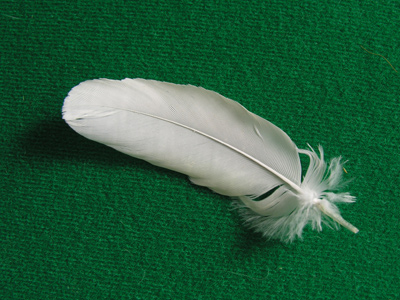
During the First World War white feathers were given to men deemed to be cowards.
Britain: British Society 1890-1918 - Women And Civilians In The Great War
Discover how women and civilians in Britain supported the war effort during the First World War, from factory work and fundraising to coping with air raids at home.
1 .
The government reduced pub opening hours in order to get better service from the civilian workforce. What were the new opening times in the evening?
1830-2130
1800-2200
1900-2230
1730-2030
The government was keen to stamp out drunkenness and to get the highest possible productivity out of the work force
2 .
What happened to both Scarborough and Hartlepool in December 1914?
These towns suffered serious air attack
German troops landed briefly in both places and did much damage
Both towns were bombarded from the sea by elements of the German fleet
The Germans experimented with poison gas against civilians in both places
After these incidents few British civilians felt safe from the savage "Hun"
3 .
In January 1918 the government placed limits on civilians' consumption of certain foodstuffs, following an escalation of the Germans' submarine campaign against merchant shipping. What was this measure called?
Limitation of civilian consumption
Rationing
Retail restriction
Food purchase ban
The Germans very nearly succeeded in starving Britain out of the war by reserving the right to sink any ship on the high seas. So the government was forced to introduce curbs on the purchase of certain foodstuffs
4 .
Many women served near the front line as nurses. One such nursing unit were the FANY's, founded by Kitchener in 1907, What does FANY stand for?
Front Army Nursing Yeomanry
First Army Nursing Yeomanry
First Aid Nursing Yeomanry
First Aid Nurses Yeomanry
Nurses were of course badly needed at the front, but women did not get involved directly in combat
5 .
Women workers were especially appreciated in the munitions industry, and many thousands served there. How many women were employed in this way at the peak?
500,000
1.5 million
850,000
300,000
The main task was filling shells, which was dangerous work. However the work was well paid, and sometimes women went on strike for better conditions
6 .
Women tried to shame male civilians into joining up. How precisely did they do this?
By threatening to publish the names of men of military age who had not yet joined up
By forcing men in civilian clothes to try on military kit
By refusing to go on dates with their boyfriends until they agreed to sign up
By distributing white feathers to any man wearing civilian clothes who seemed to be of military age
Many men felt humiliated by such treatment
7 .
London received air raids in 1915 from German airships. By what name were these craft known?
Dirigibles
Hindenburgs
Luftzeuge
Zeppelins
Such raids terrified civilians, who felt that they were now fighting in the front line as well as enlisted troops
8 .
British propaganda made much of atrocities committed by the Germans against civilians in the early weeks of the war. Which country was said to have suffered especially badly from this?
France
Russia
Belgium
Holland
These accounts of mistreatment were reinforced by the stories related by refugees
9 .
Men were expected to join up in the forces: either voluntarily or by conscription. Some men, however, were not allowed to leave their jobs, which were considered vital to the war effort. Examples would be coal-miners and train drivers. What general name was given to such employment?
Reserved occupations
Reserved employment
Excluded occupations
Excepted jobs
Many such men wanted to join up but were refused permission to do so
10 .
DORA was an Act of Parliament passed in August 1914, that curbed the rights of citizens under wartime conditions. What does DORA stand for?
Defence of the Realm Act
Defence Orders Revision Act
Defence Objectives Register Act
Defence of the Regular Army
Civilians had to accept that their everyday movements and actions could now be curbed by law
You can find more about this topic by visiting BBC Bitesize - Britain since c.1900 and the people's health



**Unlimited Quizzes Await You! 🚀**
Hey there, quiz champ! 🌟 You've already tackled today's free questions.
Ready for more?
Ready for more?
🔓 Unlock UNLIMITED Quizzes and challenge yourself every day. But that's
not all...
not all...
🔥 As a Subscriber you can join our thrilling "Daily Streak" against other
quizzers. Try to win a coveted spot on our Hall of Fame Page.
quizzers. Try to win a coveted spot on our Hall of Fame Page.
Don't miss out! Join us now and keep the fun rolling. 🎉
**Unlimited Quizzes Await You! 🚀**
Hey there, quiz champ! 🌟 You've already tackled today's free questions. Ready for more?
🔓 Unlock UNLIMITED Quizzes and challenge yourself every day. But that's not all...
🔥 As a Subscriber you can join our thrilling "Daily Streak" against other quizzers. Try to win a coveted spot on our Hall of Fame Page.
Don't miss out! Join us now and keep the fun rolling. 🎉




© Copyright 2016-2026 - Education Quizzes
Work Innovate Ltd - Design | Development |
Marketing
